When to Rent in Edmonton: A Season-by-Season Guide to Pricing, Demand, and Deals (2026)
Edmonton's rental market follows predictable seasonal patterns. Here is when to find the cheapest rent, when competition peaks, and how to time your move for the best deal in 2026.
- Winter (November through February) is the cheapest time to rent in Edmonton, with landlords offering incentives like free first months, reduced deposits, and lower asking rents to fill vacancies.
- Summer (May through August) is the most expensive and competitive season, driven by student turnover, family moves between school years, and construction-sector hiring.
- The September student rush -- particularly around the University of Alberta, MacEwan, NAIT, and NorQuest -- creates a secondary demand spike that can push rents higher in central and campus-adjacent neighbourhoods.
- Edmonton's vacancy rate rose to 3.8 percent in 2025 and is projected to reach 4.0 to 4.5 percent in 2026, giving renters more seasonal negotiating power than at any point in recent years.
- The best balance of selection and price typically falls in April or October, when demand is moderate and landlords are motivated but inventory is still reasonable.
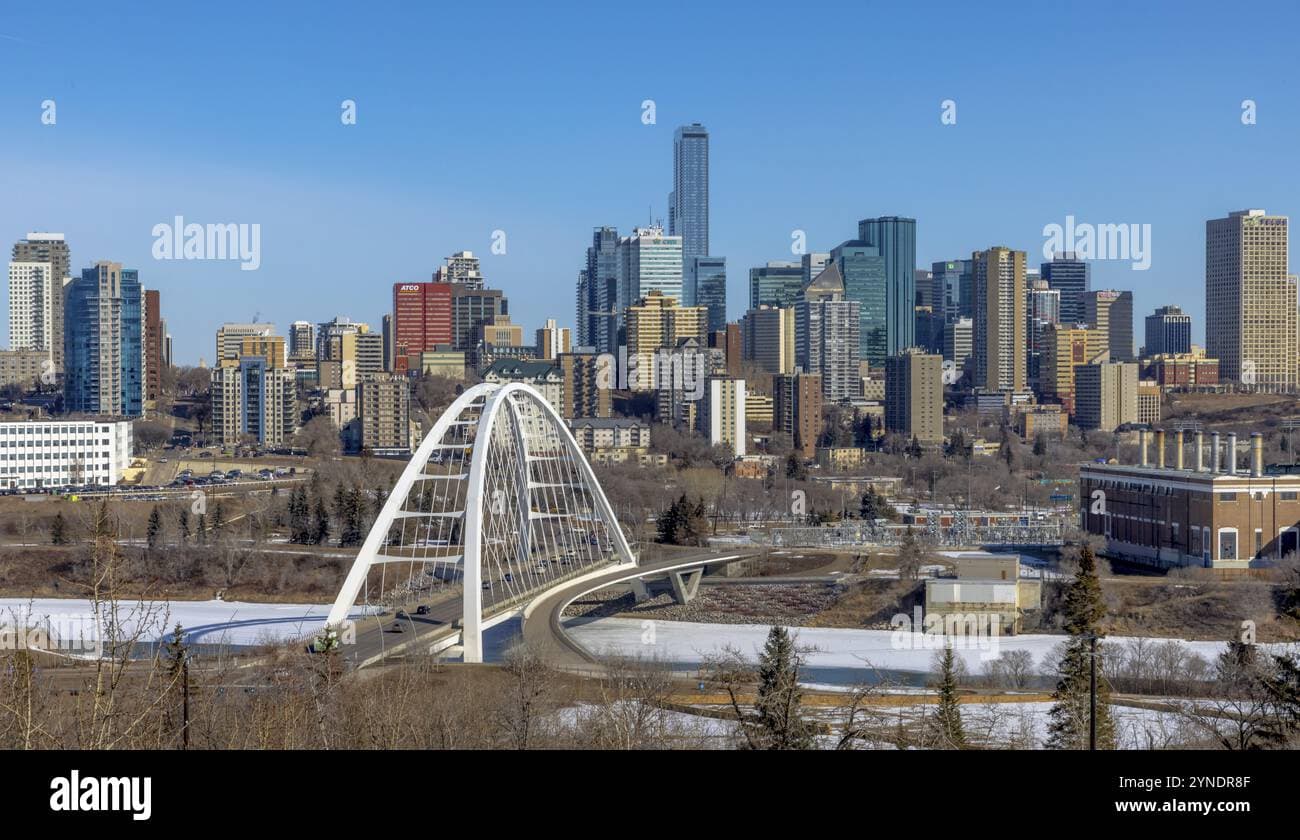
How Edmonton's Rental Market Moves Through the Year
Every city's rental market has a rhythm, but Edmonton's seasonal swings are especially pronounced. The combination of harsh winters, a large student population, and an economy tied to construction and energy creates distinct peaks and valleys in rental demand, pricing, and availability throughout the year.
Understanding these patterns can save you hundreds of dollars per month -- or help you avoid the scramble of trying to find a good apartment in the middle of peak season. According to The Property Consulting Group's 2026 outlook, "seasonality still shapes outcomes in 2026," with spring and summer supporting firmer pricing and fewer concessions, while winter favours flexible terms and targeted incentives.
Here is what to expect in each season, based on current data from CMHC, local property managers, and rental platforms.
Winter (November through February): The Bargain Season
Winter is when Edmonton's rental market is at its softest. Fewer people want to move when temperatures regularly drop below minus 20, roads are icy, and daylight hours are short. Families are locked into school calendars, and students are mid-semester with no reason to relocate.
According to unitiiPM, winter brings "longer vacancy periods" for landlords, along with "increased interest in incentives such as discounted deposits or free first month promotions." The Switch at Station Lands notes that winter renters benefit from "reduced monthly rental fees, the ability to negotiate with landlords, and less rivalry among tenants."
National data from Apartment List confirms the pattern: rents are cheapest in November and December across North America, with average savings of 1.6 percent or $50 to $100 per month compared to summer peaks. In Edmonton, where the winter is longer and harsher than most Canadian cities, the discount window extends further.
What Winter Renters Can Expect in 2026
- Lower asking rents. Landlords who have had a unit sitting vacant since October are motivated to fill it before the holidays, even if that means dropping the price.
- Move-in incentives. Free first month, reduced security deposits, included parking, and utility credits are common in winter, particularly at newer buildings trying to stabilize occupancy. Rentsync data shows that utilities are the most commonly offered promotion in Canadian cities, and free rent months are especially prevalent in new construction.
- More negotiating room. With fewer competing applicants, you have leverage to ask for a lower rent, a shorter lease, or other concessions.
- Smaller selection. The trade-off is fewer available units, since most turnover happens in summer. But the units that are available in winter are often priced to move.
Practical Tips for Winter Renters
- Start searching in late October or early November for the best combination of selection and pricing.
- Ask about incentives explicitly -- many landlords do not advertise all available concessions online.
- If you are flexible on move-in date, let the landlord know you can move quickly. A fast close is attractive to someone paying to heat an empty unit.
- Check newer buildings in particular. According to CMHC's 2025 Rental Market Report, vacancy rates are higher in newer units due to their premium pricing, making them the most likely to offer winter deals.
Spring (March through April): The Market Wakes Up
As temperatures rise and the snow melts, Edmonton's rental market starts gaining momentum. Job transitions in the energy, construction, and service sectors ramp up. Renters from other provinces -- young professionals, university graduates, and families planning a July or August move -- begin searching in earnest.
According to unitiiPM, spring brings stabilizing or climbing pricing, dropping vacancy rates, and faster-moving applications. It is also when new rental inventory comes to market, as buildings completed over winter begin their lease-up campaigns.
What Spring Renters Can Expect
- Moderate competition. More people are looking than in winter, but the intense summer rush has not yet started.
- Growing inventory. New listings increase as landlords prepare for peak season and new buildings launch marketing.
- Pricing in transition. Rents start firming up from winter lows but have not yet reached summer peaks.
- Negotiation still possible. You may not get winter-level concessions, but landlords with units sitting since December are still motivated.
April in particular stands out as a sweet spot. The Switch recommends April as one of the months offering "a decent combination of availability and affordable rates."

Summer (May through August): Peak Season
Summer is the most expensive and competitive time to rent in Edmonton. Multiple demand drivers converge at once:
- Student turnover. The University of Alberta, MacEwan University, NAIT, and NorQuest College together serve tens of thousands of students. Many leases turn over around May (end of academic year) and August (start of fall semester). CBC reported in September 2024 that student housing demand was pushing rents higher in campus-adjacent neighbourhoods, with room rents jumping from $500 to $800 in just a few years.
- Family moves. Families with school-age children overwhelmingly prefer to move during summer break to minimize disruption.
- Construction and energy sector hiring. Alberta's construction season runs May through October, bringing seasonal workers who need housing.
- Interprovincial migration. Edmonton's affordability relative to Toronto and Vancouver continues to attract newcomers, and most choose to move during warmer months.
According to Two Small Men's 2026 Edmonton rental guide, the student population creates particular chaos in September: "avoid moving during the first two weeks of September if possible."
Summer Pricing Impact
Current data from Apartments.com shows the average Edmonton rent as of April 2026 is $1,345 per month, ranging from $1,127 to $1,873 depending on size and location. By July and August, asking rents on new listings typically reach their annual peak, with premium locations in Oliver, Garneau, and downtown commanding the highest prices.
liv.rent's Edmonton market analysis shows that average apartment rents rose from about $1,529 in late 2024 to roughly $1,573 in early 2025, with growth moderating but still positive compared to cities like Calgary and Vancouver where rents have actually declined.
Practical Tips for Summer Renters
- Start your search six to eight weeks before your desired move-in date. Good units in desirable neighbourhoods go within days in July and August.
- Have your application package ready: proof of income, references, credit authorization, and government ID. Being first to submit a complete application matters.
- Be prepared to act quickly after viewing. In peak season, you may not get a second visit before someone else signs.
- Consider areas slightly outside the hottest neighbourhoods. Mill Woods, northeast Edmonton, and suburban communities around the LRT offer significantly lower rents than Oliver or downtown.
- If renting near campus, look for buildings that are not exclusively student-focused -- they may have less turnover pressure and more predictable pricing.
Fall (September and October): The Transition Window
After the summer rush, Edmonton's rental market enters a brief window of moderation. Most leases that were going to turn over have already been filled. Students are settled. Families are locked in for the school year.
unitiiPM describes fall as creating "a balanced environment for both renters and owners," with moderate demand, steady pricing, and more time for renters to evaluate options without the intense competition of summer.
What Fall Renters Can Expect
- Stabilized pricing. Rents flatten after the summer peak but have not yet dropped to winter discount levels.
- Reasonable selection. Units that did not get filled in summer are still available, often at more negotiable prices.
- Less urgency. You can take your time with viewings and negotiations without the pressure of competing with dozens of other applicants.
- Pre-winter positioning. If you sign in October, you lock in a fall-market rate and avoid the holiday season disruption of moving in December.
September and October are also recommended by The Switch as months that "may offer a decent combination of availability and affordable rates" -- particularly for renters who missed the summer window but do not want to wait for winter.

Edmonton's 2026 Market: Seasonal Power Shifts to Renters
The seasonal patterns described above are always present in Edmonton, but 2026 is tilting the balance further in renters' favour. According to CMHC's 2025 Rental Market Report, Edmonton's purpose-built rental vacancy rate rose to 3.8 percent in October 2025, up from 2.4 percent in 2023. CBC reported that CMHC projects the rate will reach 4.0 to 4.5 percent in 2026.
This shift means:
- Winter deals will be deeper. With more units sitting empty, landlords face growing pressure to offer incentives during the slow months.
- Summer competition will be milder. While summer remains peak season, the increased supply means fewer bidding-war situations and more room to negotiate even in July and August.
- Incentives are becoming year-round. The Property Consulting Group notes that winter "typically slows, favoring flexible terms and targeted incentives that reposition expiries into peak months." Some landlords are now structuring leases to expire in summer rather than winter, giving them more flexibility.
A Facebook group analysis of Edmonton's 2025 rental market noted that while asking rents rose 3 to 4 percent year-over-year in early 2025, this was "slower than the double-digit gains of 2023-2024." The moderation trend is expected to continue through 2026.
Month-by-Month Quick Reference
| Month | Demand | Pricing | Best For |
|---|---|---|---|
| January | Low | Lowest | Budget hunters willing to brave the cold |
| February | Low | Low | Same as January, slightly more inventory |
| March | Rising | Stabilizing | Early movers who want selection before competition heats up |
| April | Moderate | Moderate | Best balance of price and availability |
| May | High | Rising | Families locking in before school ends |
| June | High | High | Peak selection, rising prices |
| July | Highest | Peak | Maximum inventory, maximum competition |
| August | Highest | Peak | Student rush begins, highest prices |
| September | Moderate-High | Stabilizing | Post-rush bargains in non-student areas |
| October | Moderate | Moderate | Good balance, pre-winter positioning |
| November | Low | Dropping | Incentives appear, negotiation power increases |
| December | Lowest | Lowest | Maximum landlord motivation, fewest competitors |
Key Timing Strategies
If you want the cheapest rent: Target January through March. Be willing to move in cold weather. Check newer buildings first -- they have the most vacant units and the strongest incentive packages.
If you want the best selection: Look in June and July. Expect to pay peak-season rates and face more competition, but you will have the widest range of options across all neighbourhoods and unit types.
If you want the best balance: Aim for April or October. Both months offer moderate pricing, reasonable selection, and enough flexibility to negotiate without the time pressure of summer or the limited inventory of winter.
If you are a student: Start looking in May for September move-in. The University of Alberta and MacEwan campus areas (Garneau, Strathcona, Queen Mary Park) get competitive early. Consider the Elev platform, designed specifically for Edmonton student housing.
If you are a landlord: List vacant units in May for maximum exposure. If a unit is still vacant in October, price aggressively and offer incentives to avoid carrying it through winter. Consider structuring leases to expire in June or July to maximize your position at renewal time.
Sources
- CMHC 2025 Rental Market Report
- CBC News: CMHC Edmonton Rental Market Outlook
- CBC News: Edmonton Students Face Rental Housing Crunch (September 2024)
- Two Small Men: Edmonton Rental Market 2026
- The Property Consulting Group: Edmonton 2026 Rental Market Trends
- The Switch: Best Time to Rent an Apartment in Edmonton
- unitiiPM: How Seasonal Trends Affect Alberta Rental Prices
- Louvre: Best Time to Rent an Apartment in Edmonton
- Apartment List: Best Time of Year to Rent
- Apartments.com: Edmonton Rent Market Trends
- liv.rent: Edmonton Housing and Rental Trends 2026
- Rentsync: Rent Promotions and Incentives Trends Across Canadian Cities
- Edmonton Rental Market Update 2025 (Facebook)