How to Get Your Edmonton Rental Application Approved: A Complete Guide
In a competitive Edmonton rental market, a strong application can be the difference between landing your ideal unit and losing it. Here's exactly what landlords look for, what documents to prepare, and how to stand out.
Edmonton's rental market is competitive -- with vacancy rates under 4% and good units moving fast, your application often has to beat several others to land a lease. Whether you are a first-time renter, a newcomer to Canada, or a long-time Edmontonian looking for a new place, understanding what landlords actually evaluate and how to present yourself effectively will significantly improve your odds.
This guide covers the full application process from a renter's perspective, using Alberta-specific rules and Edmonton market context.
Key takeaways:
- Edmonton landlords typically require proof of income, a credit check, government ID, and references from previous landlords
- A credit score of 660+ is considered good for rental applications; 700+ is excellent -- but a lower score is not always a dealbreaker
- The 30% rule applies: keep rent within 30% of your gross monthly income, and be prepared to prove it
- Application fees are legal in Alberta but not required -- you can choose not to apply with landlords who charge them
- A prepared "rental portfolio" with all documents ready at the viewing sets you apart from other applicants
- Landlord reference letters carry more weight than any other single document
What Edmonton Landlords Actually Evaluate
Understanding the screening process from the landlord's side gives you a strategic advantage. According to the Calgary Residential Rental Association's tenant screening guide and Renter's Choice Alberta, Alberta landlords typically evaluate applicants across these categories, roughly in order of priority:
1. Can you afford the rent?
This is the first filter. Most Edmonton landlords and property management companies expect your gross monthly income to be at least 3 times the monthly rent. If you are applying for a $1,500/month unit, you need to demonstrate at least $4,500/month in gross income.
Proof of income can include:
- Recent pay stubs (last 2-3 months)
- Employment verification letter from your employer (on company letterhead)
- Job offer letter (if you are relocating to Edmonton for a new position)
- Tax returns or Notice of Assessment (for self-employed applicants)
- Bank statements showing regular income deposits
2. What does your credit report say?
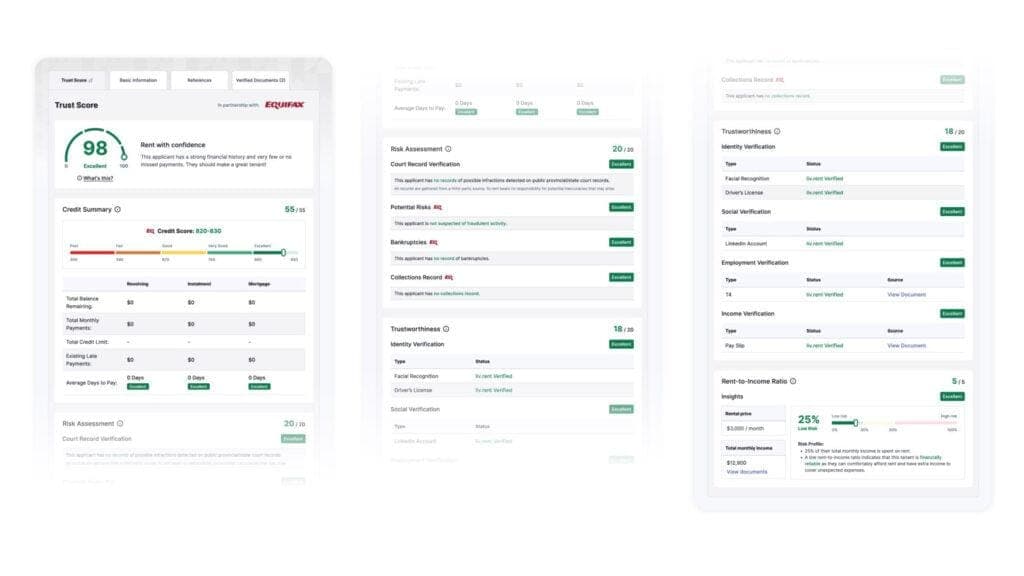
Most landlords will run a credit check, which requires your written consent under Alberta law. According to OpenRoom's 2026 credit check guide for Canadian tenants, landlords are looking at:
- Credit score: 700+ is excellent and low risk; 650-699 is good; 600-649 is fair with some risk; below 600 is a red flag
- Payment history: Late or missed payments on credit cards, loans, or other accounts
- Outstanding debts: High debt-to-income ratio, maxed credit cards, loans in collections
- Bankruptcies or evictions: Serious red flags that are hard to overcome
- Length of credit history: Longer is better (5+ years is strong)
A score of 660 or above is generally considered the threshold for a straightforward approval. But a lower score is not automatically a dealbreaker -- landlords consider the full picture, including your income, references, and the reason behind any credit issues.
3. What do your previous landlords say?
Landlord references are arguably the most influential factor in the screening process. The CRRA guide specifically recommends landlords ask previous landlords: "Would you rent to this tenant again?" The answer to that single question often decides the outcome.
According to Neobanc's 2026 rental reference guide, a strong landlord reference letter should include:
- The landlord's full name and contact information
- Your full name and the rental property address
- Exact tenancy dates (month and year)
- Monthly rent amount
- Statement about payment reliability
- Comment on property care and lease compliance
- A clear recommendation statement
If you are a first-time renter without rental history, a character reference from an employer, professor, or community leader can serve as a substitute. Focus on reliability, responsibility, and meeting commitments.
4. Background and identity verification
Landlords will ask for government-issued photo ID (driver's licence, passport, or provincial ID card). Some also conduct background checks, which may include criminal history. Under Alberta's Personal Information Protection Act (PIPA), landlords cannot collect personal information beyond what is reasonably necessary for establishing a tenancy -- and they must obtain your consent before collecting it.
Documents to Prepare Before You Start Looking
The most common reason applications fail isn't a bad credit score or insufficient income -- it's being unprepared. In a fast-moving market, the applicant who has everything ready at the viewing often beats the one with better credentials who needs "a few days to gather documents."
GSK Properties' 2025 Edmonton renter guide recommends having these documents assembled before you even begin viewing units:
Your rental portfolio should include:
| Document | Purpose | Priority |
|---|---|---|
| Government-issued photo ID | Identity verification | Required |
| Recent pay stubs (2-3 months) | Income verification | Required |
| Employment letter or job offer | Employment stability | Required |
| Credit report (self-pulled) | Proactive disclosure | Strongly recommended |
| Landlord reference letters (2) | Rental history | Strongly recommended |
| Bank statements (2-3 months) | Financial stability | Recommended |
| Personal cover letter | Introduction and first impression | Recommended |
Pro tip: Pull your own credit report before landlords do. In Canada, you can get a free credit report from Equifax or TransUnion. Reviewing it beforehand lets you spot errors, address issues, and present it proactively -- demonstrating transparency and confidence. As OpenRoom notes, "ensure it's recent -- ideally within the past month or two."
Application Fees in Alberta: What You Need to Know
Application fees are a source of confusion and occasional frustration for Edmonton renters. Here's the clear picture:
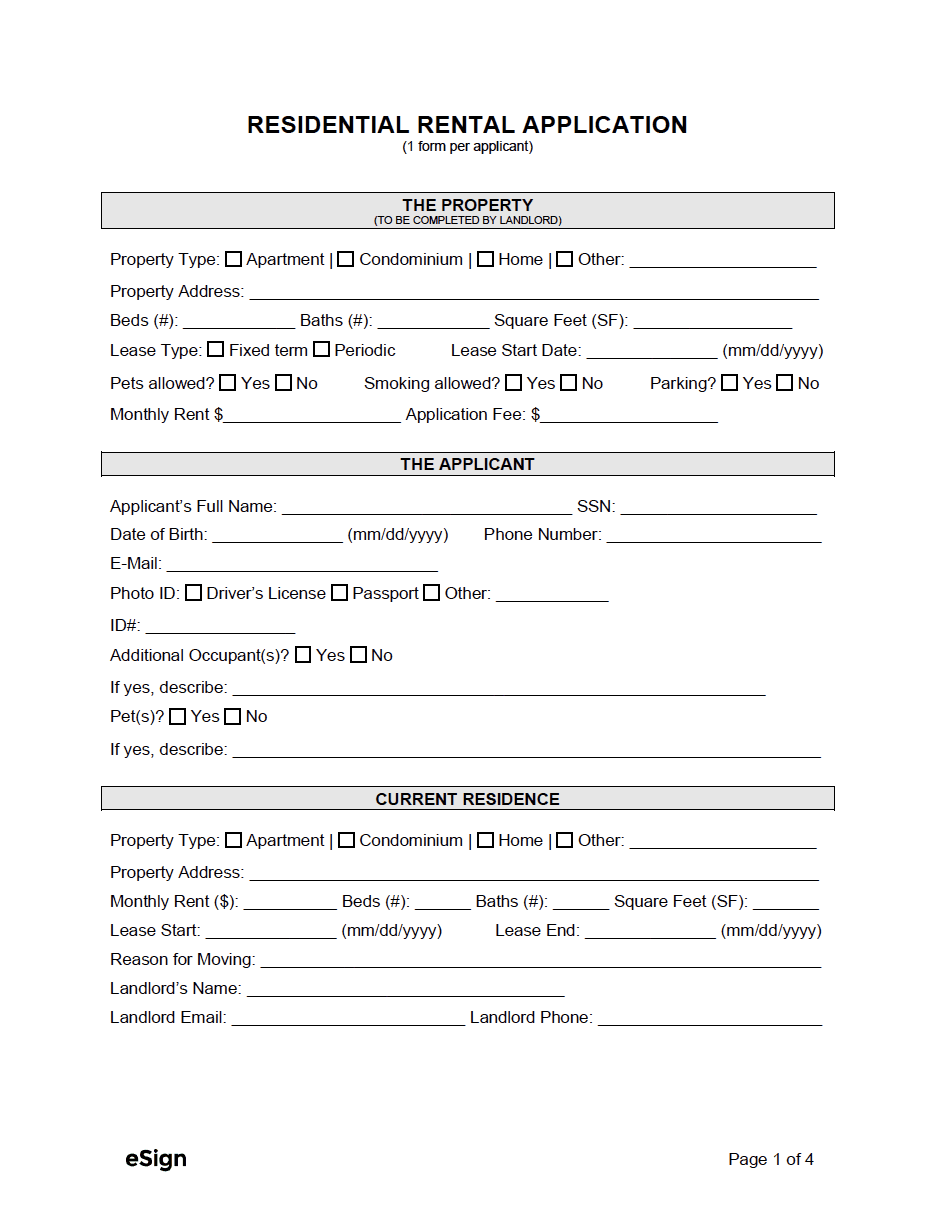
According to Service Alberta's RTA Handbook on fees and charges, application fees are legal in Alberta. Landlords can charge a fee to cover the cost of processing your application, including credit checks and background screening. However:
- The fee should reasonably reflect the actual cost of screening (typically $25-$75 for a credit check and background check)
- The fee must be disclosed upfront before you submit your application
- You are never obligated to pay -- you can choose not to apply with landlords who charge application fees
- A recent Reddit thread highlights that some Edmonton landlords charge $120+ and require payment before even scheduling a viewing. While technically legal, Service Alberta explicitly notes that renters "have the option to refrain from applying to rent from any landlord who does request such a fee"
Best practice: If the fee is in the $25-$50 range and the landlord provides a clear explanation of what it covers, it's standard practice. If it's significantly higher or required before you've even seen the unit, proceed with caution -- this can also be a red flag for rental scams.
How to Write a Cover Letter That Matters
A personal introduction letter is not required on most Edmonton rental applications, but it can be the differentiator when multiple qualified applicants compete for the same unit. Moving2Canada's rental application guide specifically recommends it as a strategy for standing out.
Keep it short -- one page maximum -- and cover these points:
- Who you are: Your name, profession, and a brief summary of your situation (relocating for work, starting grad school, downsizing, etc.)
- Why this unit: Reference something specific about the property -- the neighbourhood, the building's pet policy, the proximity to your workplace
- Why you're a good tenant: Briefly reference your income stability, rental history, and the fact that you have all documents ready
- Your timeline: When you're ready to move in and your preferred lease length
This is especially effective for individual landlords (as opposed to property management companies with standardized processes). A landlord renting out their own condo or basement suite is making a personal decision about who lives in their property -- giving them a reason to choose you specifically matters.
At the Viewing: What to Do and Ask
The viewing is not just about deciding whether you like the unit -- it's also when the landlord is evaluating you as a potential tenant. According to liv.rent's 2026 Edmonton renting guide, common mistakes include skipping unit inspections and underestimating the impression you make in person.
How to make a strong impression:
- Arrive on time. This signals reliability.
- Dress neatly. You don't need a suit -- just clean and presentable.
- Bring your rental portfolio. Having documents ready on the spot signals you are serious and organized.
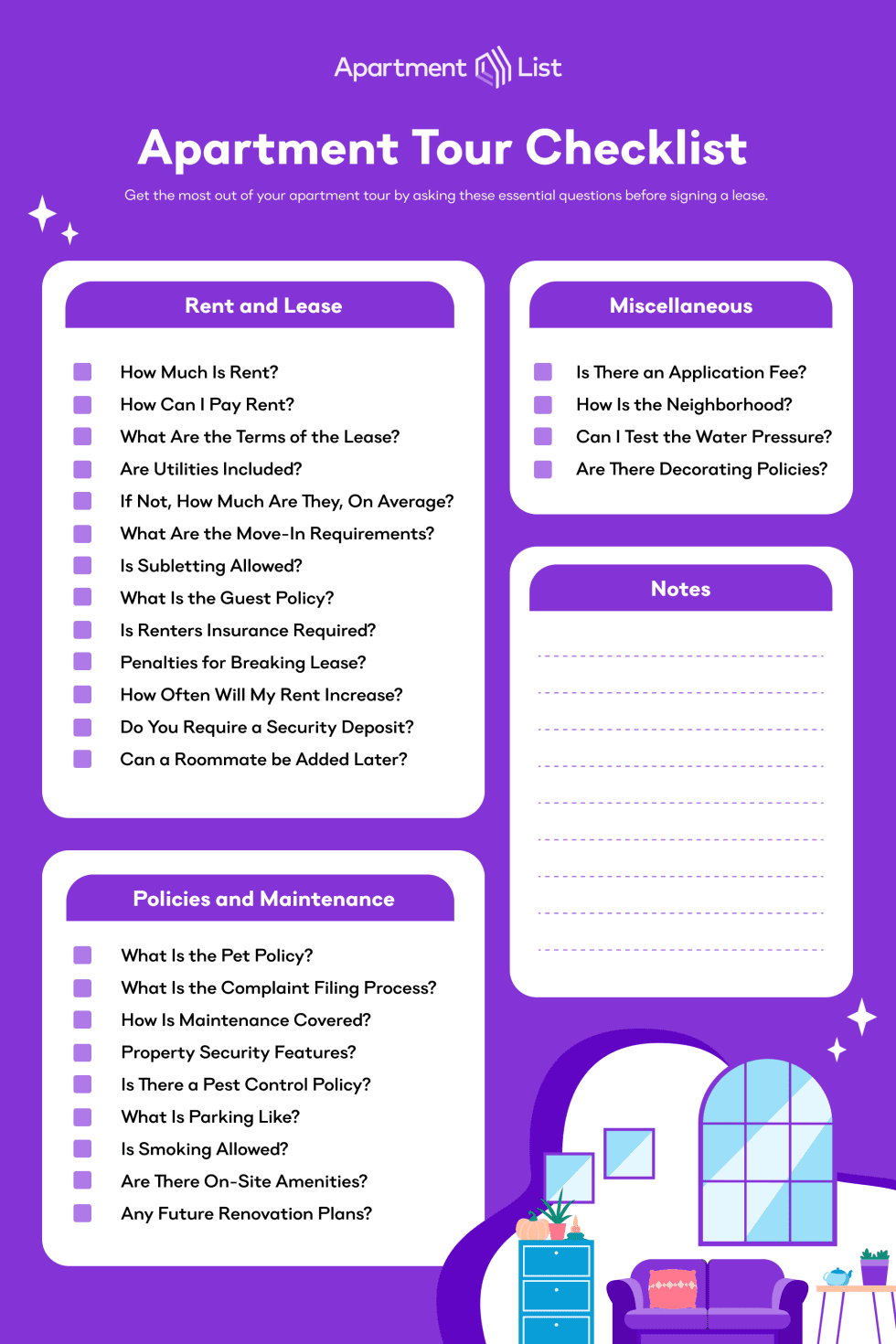
- Ask informed questions. "What utilities are included?" "What's the lease renewal process?" "Is the building pet-friendly?" These show you've done your research.
- Be honest about your situation. If you have a pet, a roommate, or a specific need, disclose it upfront. Surprises later in the process create mistrust.
What to inspect during the viewing:
According to GSK Properties' Edmonton guide:
- Working appliances and heating system (critical for Edmonton winters)
- Running water with good pressure
- Signs of pests, leaks, or mold
- Functional locks on all doors and windows
- General condition of floors, walls, and fixtures
Take photos during the viewing. If you proceed with the application, these will be useful reference points for the move-in inspection later.
Special Situations: Newcomers, Students, and First-Time Renters
Newcomers to Canada
If you've recently moved to Edmonton and don't have Canadian credit history or local landlord references, you face an additional hurdle -- but it's one that thousands of people overcome every year. Moving2Canada's guide recommends:
- Create a "rental portfolio" with your international documents, proof of Canadian employment, and bank statements
- Offer a larger security deposit (Alberta law caps this at one month's rent, but offering to pay first and last month upfront -- where allowed -- can demonstrate commitment)
- Provide character references from employers or professional contacts, ideally written in English
- Consider corporate or furnished housing operators (like Corporate Stays or Premiere Suites) as a bridge while you build local references
Many Edmonton landlords are willing to work with newcomers. Be transparent about your situation and persistent in your search.
Students
University of Alberta, MacEwan, and NAIT students can face similar challenges -- limited income, no rental history, and short lease terms. Strategies that work:
- Use university housing services as a starting point (U of A's Housing and Food Services office maintains listings)
- Have a parent or guardian co-sign the lease if your income is limited
- Provide a student loan confirmation or scholarship letter as proof of income
- Get a character reference from a professor or academic advisor
- Target student-heavy neighbourhoods (Garneau, Strathcona, central Edmonton) where landlords are accustomed to student tenants
First-Time Renters
If you've never rented before, you obviously can't provide a landlord reference. Compensate with:
- Strong employment documentation (pay stubs + employment letter)
- A personal cover letter explaining your situation
- Character references from employers, mentors, or community members who can speak to your reliability
- Proactively sharing your credit report to demonstrate transparency
- Being willing to sign a longer lease (12 months rather than month-to-month), which signals stability to landlords
After You Apply: Follow-Up and Next Steps
Once you've submitted your application, the process typically moves quickly in Edmonton -- most landlords make decisions within 2-5 business days, and in competitive situations, even faster.
What to do after applying:
- Follow up within 24-48 hours. A polite email or text checking on the status of your application shows continued interest. As Neobanc's guide notes, follow-up demonstrates "genuine interest and commitment to obtaining the rental property."
- Alert your references. Let your previous landlords and any character references know they may receive a call. A reference who answers the phone promptly makes a better impression than one who doesn't pick up.
- Don't stop looking. Until you have a signed lease, keep viewing and applying to other units. Edmonton's market moves fast in both directions.
- Read the lease carefully before signing. Once approved, review every clause. Pay attention to pet policies, parking arrangements, maintenance responsibilities, lease renewal terms, and notice periods. Under Alberta's RTA, the landlord must provide you a signed copy of the lease within 21 days.
Your Application Checklist
Before submitting any Edmonton rental application, confirm you have:
- Government-issued photo ID
- Proof of income (pay stubs, employment letter, or job offer)
- Self-pulled credit report (within the last 1-2 months)
- At least two reference letters (landlord or character references)
- Bank statements (2-3 months)
- A brief personal cover letter
- Questions prepared for the viewing
- References alerted and expecting calls
Being the most prepared applicant in the room is the single most effective strategy in Edmonton's rental market. Landlords value reliability, and nothing demonstrates reliability like having your documentation complete before they ask for it.
Sources
- Calgary Residential Rental Association -- Top 10 Tips for Screening Tenants in Alberta: https://crra.ca/alberta-rental-review/the-top-10-tips-for-screening-tenants-in-alberta-your-guide-to-successful-rentals/
- Renter's Choice Alberta -- Effective Tenant Screening in Alberta (Step-by-Step Guide): https://www.renterschoiceab.com/effective-tenant-screening-in-alberta-a-step-by-step-guide-for-landlords/
- OpenRoom -- How to Run a Tenant Credit Check in Canada (2026): https://learn.openroom.ca/post/tenant-credit-check-canada
- GSK Properties -- First-Time Renter's Guide to Edmonton (2025): https://gskproperties.ca/first-time-renters-guide-to-edmonton-what-you-need-to-know-in-2025/
- Neobanc -- Rental Reference Letter Canada (Free Template and Guide 2026): https://www.neobanc.com/articles/rental-reference-letter-canada
- Moving2Canada -- Tips to Write a Rental Property Application: https://moving2canada.com/living/accommodation/tips-for-rental-property-application/
- liv.rent -- Renting an Apartment in Edmonton Alberta (2026): https://liv.rent/blog/renters/renting-apartment-edmonton-alberta/
- Service Alberta -- Residential Tenancy Agreements: Fees and Charges (RTA Handbook): https://www.servicealberta.gov.ab.ca/pdf/RTA/Rental_Agreements_fees_charges_RTA_Handbook_BW.pdf
- Office of the Information and Privacy Commissioner of Alberta -- Guidance for Landlords and Tenants (PIPA): https://oipc.ab.ca/resource/guidance-for-landlords-and-tenants/
- FirstService Residential -- Understanding Alberta Tenant Rights (2025/2026): https://www.fsresidential.com/alberta/news-events/articles/understanding-alberta-tenant-rights/
- Reddit r/Edmonton -- Landlord Wants $120 Fee Before Viewing Discussion: https://www.reddit.com/r/Edmonton/comments/1kpmlpp/landlord_wants_120_fee_before_viewing_is_this/