How Remote Work Is Reshaping Edmonton's Rental Market in 2026
From home office must-haves to neighbourhood shifts and coworking alternatives, here is how remote and hybrid work are changing what Edmonton renters want, where they live, and what they pay.
- Nearly 29 percent of Edmonton job postings are now remote or hybrid (6 percent fully remote, 23 percent hybrid), according to Robert Half's Q4 2025 data -- lower than cities like Montreal (45 percent) and Toronto (36 percent), but still a significant shift from pre-pandemic norms.
- High-speed internet, dedicated office space, and soundproofing have become top priorities for Edmonton renters, with buildings that offer these features commanding stronger lease-up rates.
- Edmonton's affordability advantage -- one-bedroom apartments averaging $1,100 to $1,250 compared to $2,300+ in Toronto and $2,500+ in Vancouver -- makes it one of Canada's most attractive cities for remote workers who can live anywhere.
- Two-bedroom and den units have seen disproportionately strong demand as renters seek dedicated workspace without paying for a full extra bedroom.
- Coworking spaces like The Workup, Spaces, and Regus offer Edmonton remote workers a professional alternative to the home office at $200 to $400 per month.
The State of Remote Work in Edmonton
Edmonton's remote work landscape looks different from other major Canadian cities. According to Robert Half's Q4 2025 analysis of over 285,000 Canadian job postings, Edmonton's breakdown is:
| Work Model | Edmonton | Calgary | Toronto | Montreal | Vancouver |
|---|---|---|---|---|---|
| Fully Remote | 6% | 6% | 6% | 8% | 8% |
| Hybrid | 23% | 27% | 30% | 37% | 29% |
| On-Site | 71% | 67% | 64% | 55% | 63% |
Edmonton has the highest on-site percentage among major Canadian cities outside of Winnipeg (74 percent on-site). This reflects the city's economic mix: energy, construction, logistics, and public sector jobs that cannot easily be performed remotely. But the 29 percent of jobs offering some flexibility still represents a dramatic shift from the pre-pandemic baseline of roughly 4 percent flexible postings nationally.
The tech and marketing sectors in Edmonton offer the most flexibility. Nationally, Robert Half data shows that 50 percent of technology roles and 49 percent of marketing and creative roles now include remote or hybrid options, compared to just 19 percent of administrative and customer support positions.
At the national level, the trend has stabilized. Fully on-site postings declined from 71 percent in Q4 2023 to 61 percent in Q4 2025, while hybrid postings grew from 20 percent to 28 percent over the same period. Gallup's ongoing workforce surveys show that among remote-capable workers, 52 percent now work hybrid, 27 percent are fully remote, and only 21 percent are fully on-site. These rates have held steady since mid-2024, confirming that flexible work arrangements are permanent.
What Remote Workers Want in an Edmonton Rental
The rise of home-based work has fundamentally changed what Edmonton renters prioritize in an apartment. According to The Switch at Station Lands' 2025 trends analysis, "high-speed internet, dedicated office spaces within units, and communal work areas are becoming must-haves rather than luxuries."
Here are the features that now top the list for remote and hybrid workers:
Reliable High-Speed Internet
This is non-negotiable. Video conferencing, cloud applications, and large file transfers require stable, fast connections. unitiiPM notes that managed properties like Heritage Valley Apartments in Edmonton offer tenants access to "high-speed internet options, ensuring smooth video calls, fast file uploads, and uninterrupted work."
Edmonton's internet infrastructure is strong compared to many Canadian cities. TELUS fibre covers much of the city, and Shaw/Rogers provides cable alternatives in most neighbourhoods. But individual building quality varies. When touring apartments, ask specifically about available providers, maximum speeds, and whether the building has fibre-to-the-unit or only fibre-to-the-building.
Dedicated Workspace or Den
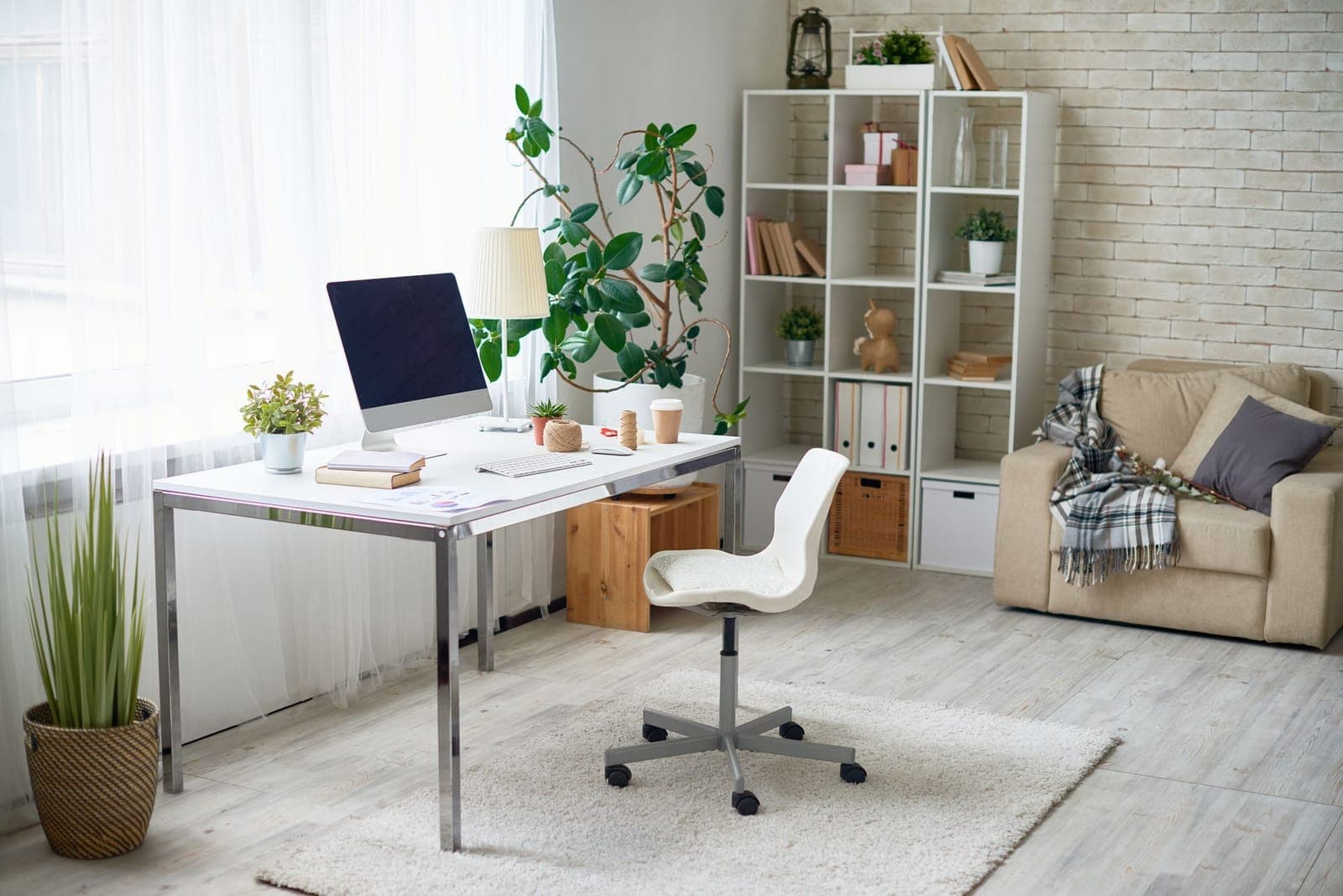
The single biggest change in floor plan demand is the premium on dens, studies, and second bedrooms that can serve as offices. A one-bedroom-plus-den or two-bedroom unit gives remote workers a door they can close -- separating work from living space both physically and psychologically.
This has shifted pricing dynamics. Two-bedroom units in Edmonton rent for $1,300 to $1,500 on average according to CMHC's 2025 data, compared to $1,100 to $1,250 for one-bedrooms. The $200 to $300 premium for a second bedroom often functions as a workspace investment that many remote workers find worthwhile.
Several newer Edmonton buildings specifically design units with remote work in mind. Falcon One downtown includes dedicated office spaces and boardrooms for meetings. Century Gardens in Century Park emphasizes soundproofing as a core feature for remote workers.
Soundproofing and Quiet Construction
Noise is the top complaint of apartment-based remote workers. Century Gardens describes the issue: "The disruption of noise -- whether it is traffic, neighbours or the overall city buzz -- is one of the largest issues of remote workers."
Concrete construction provides superior soundproofing compared to wood-frame buildings. When evaluating apartments, look for:
- Concrete floors between units (not just concrete on the main level)
- Double-pane or triple-pane windows
- Insulated interior walls
- Solid-core doors
- No shared HVAC ducts between units
Newer buildings like The Hendrix, The View, and Falcon One use concrete construction throughout, while many older Edmonton walk-ups are wood-frame with minimal sound insulation.
Natural Light
Working from home eight or more hours per day makes natural light a health and productivity essential. The Switch identifies "large windows for ample natural light" as a top renter priority. South and west-facing units are particularly valuable for home offices, though in Edmonton's winter, any significant window exposure helps combat seasonal affective disorder during the dark months.
How Remote Work Is Changing Neighbourhood Preferences
Before the pandemic, proximity to your office was the primary driver of neighbourhood choice. Remote and hybrid work has loosened that constraint, creating several observable shifts in Edmonton's rental geography.
Downtown and Oliver Remain Strong -- But for Different Reasons
Downtown Edmonton and Oliver continue to attract renters, but the reason has shifted. According to Best Version Media's 2026 outlook, "Edmonton's diversified economy -- anchored in energy, logistics, construction, public sector, and a growing tech and professional-services presence -- continues to attract newcomers."
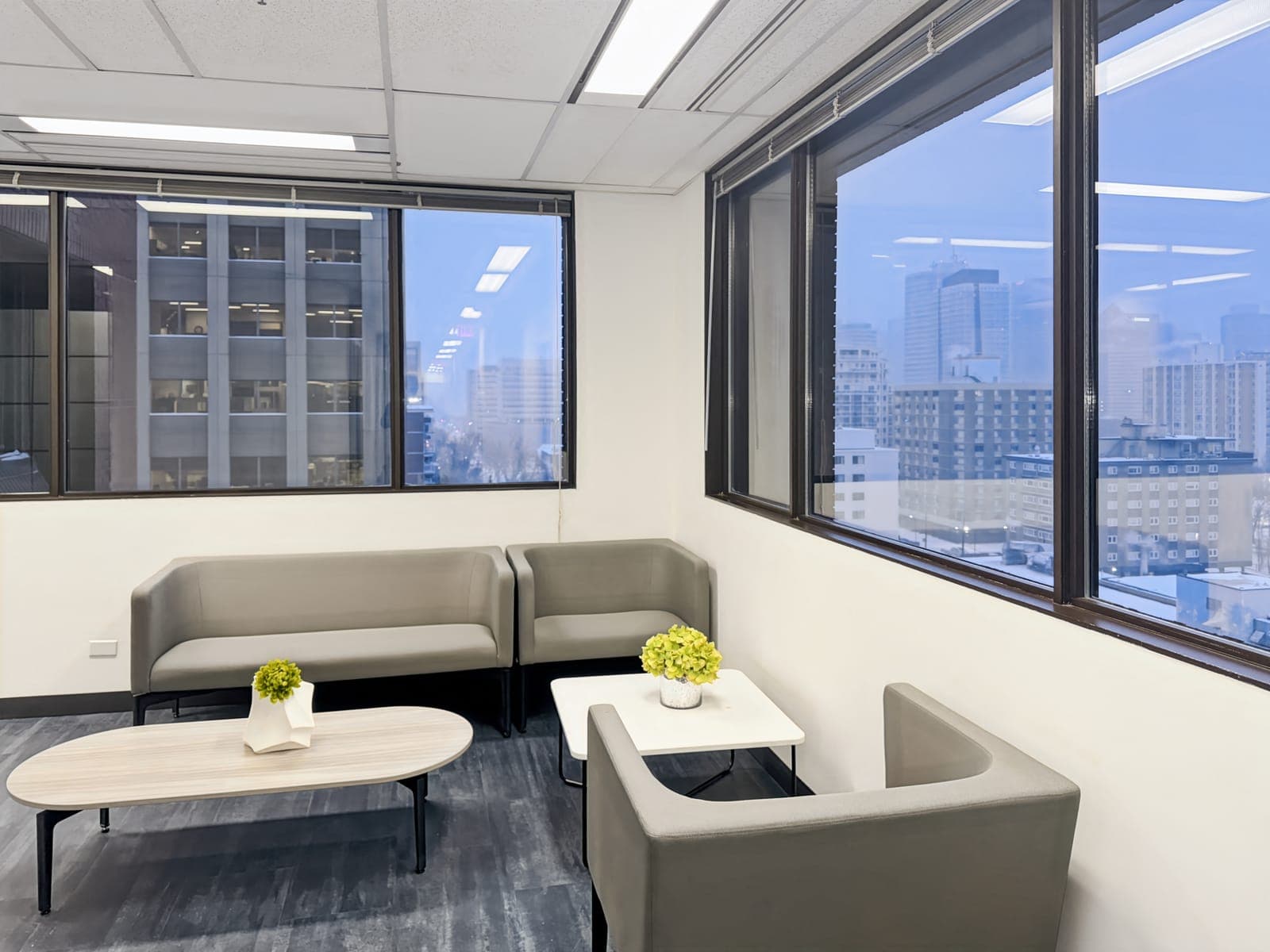
For hybrid workers who need to be in the office two to three days per week, downtown and Oliver offer walkable access to the core plus the restaurants, gyms, and social infrastructure that break up the isolation of working from home. The abundance of new luxury buildings (SKY Signature Suites, Legends, Falcon One, The View) with coworking-style amenities makes these neighbourhoods particularly appealing.
Suburban Communities Gain Appeal for Fully Remote Workers
Workers who rarely or never commute to an office have more freedom to prioritize space, quiet, and affordability over location. unitiiPM's recommendations highlight properties like Brintnell Landing Apartments in northeast Edmonton, which "offer a peaceful environment, allowing tenants to concentrate on work without interruption."
Suburban Edmonton communities that have gained appeal for remote workers include:
| Neighbourhood | Avg. 2BR Rent | Key Advantages for Remote Workers |
|---|---|---|
| Windermere / Heritage Valley | $1,400 - $1,600 | New construction, quiet, fibre internet, trails |
| Brintnell / Clareview | $1,100 - $1,300 | Affordable, peaceful, near Capital Line LRT |
| Terwillegar / Riverbend | $1,300 - $1,500 | Family-friendly, parks, river valley access |
| The Hamptons | $1,200 - $1,400 | Community amenities, outdoor spaces, quiet |
| Century Park | $1,300 - $1,500 | LRT access, retail at doorstep, new builds |
| Mill Woods | $1,100 - $1,300 | Most affordable, Valley Line LRT, diverse dining |
The trade-off is clear: suburban locations offer $200 to $400 per month in savings compared to comparable units downtown, plus more space for a home office and less street noise. But they lack the walkable amenities and social density that many remote workers value for breaking up the isolation of working from home.
The LRT Factor
Edmonton's LRT system has become especially relevant for hybrid workers. Living near the Capital Line or Valley Line means you can commute to the office on your two to three in-office days without a car, while enjoying lower suburban rents on your remote days. Century Park, Southgate, Clareview, and the new Valley Line stations in Mill Woods and Bonnie Doon offer this hybrid lifestyle.
Edmonton's Coworking Scene for Remote Workers
Not everyone can (or wants to) work from their apartment five days a week. Edmonton has a growing network of coworking spaces that offer professional environments without the commitment of traditional office leases.
The Workup
Located on the 10th floor at 10055 106th Street NW in downtown Edmonton, The Workup offers flexible coworking spaces, dedicated desks, private offices, and meeting rooms. It is one of the most popular options cited by Citizen on Jasper and other local sources.
Spaces (IWG)
Spaces Edmonton operates coworking locations with a creative, entrepreneurial atmosphere. Part of the global IWG network, memberships provide access to spaces in other cities -- useful for remote workers who occasionally travel.
Regus
Regus offers several locations across Edmonton with both coworking and private office options. Professional-grade internet, printing, and meeting rooms are standard.
Timbre Cowork
A unique Edmonton option, Timbre is a converted woodworking shop offering a mix of fabrication facilities and coworking office space. It ranked number one in StartupBlink's 2025 Edmonton listing for its niche appeal to makers and tech workers.
Costs
Coworking memberships in Edmonton typically range from $200 to $400 per month for a dedicated desk, with drop-in day passes available at $25 to $50. According to Calgary Homes' remote work city comparison, Edmonton coworking at approximately $299 per month "beats many global cities," reinforcing the city's overall affordability advantage.

Edmonton's Affordability Advantage for Remote Workers
For fully remote workers who can live anywhere in Canada, Edmonton's cost advantage is compelling. Edmonton Real Estate highlights this directly: "One of the big draws of Edmonton is its relatively low cost of living, sitting under the national average and way below Canada's other big cities."
The rental gap is stark:
| City | Average 1BR Rent | Average 2BR Rent |
|---|---|---|
| Edmonton | $1,150 | $1,400 |
| Calgary | $1,500 | $1,800 |
| Toronto | $2,300 | $3,000 |
| Vancouver | $2,500 | $3,300 |
| Ottawa | $1,700 | $2,100 |
A remote worker earning a Toronto salary while paying Edmonton rent effectively gives themselves a $12,000 to $20,000 annual raise. Add in no provincial sales tax, lower insurance costs, and cheaper groceries, and the total savings can exceed $25,000 per year.
Alberta's lack of a provincial sales tax is another significant draw -- you save 7 to 10 percent on every purchase compared to Ontario, Quebec, or British Columbia. For someone furnishing a home office, those savings add up quickly.
Practical Tips for Remote Workers Renting in Edmonton
-
Prioritize internet infrastructure over amenities. A building with fibre-to-the-unit TELUS or Shaw service is more valuable for daily productivity than a rooftop lounge you will use once a month.
-
Tour during work hours. Visit potential apartments on a weekday afternoon when you would normally be working. Listen for noise from neighbours, hallways, and street traffic. Test cell reception and ask about wifi availability.
-
Calculate the real cost of a den or second bedroom. If the alternative is a coworking membership at $300 per month, spending $200 more for a two-bedroom that includes your office may be the better deal.
-
Ask about common-area workspaces. Some newer buildings include shared work lounges with wifi, printing, and meeting-room-style spaces. These can supplement a small unit without requiring a larger apartment.
-
Consider the LRT for hybrid commutes. If you go to an office two to three days per week, living near an LRT station can eliminate the need for a car entirely -- saving $500+ per month in car payments, insurance, gas, and parking.
-
Bundle your home office deduction. Remote workers in Canada can claim home office expenses on their tax returns. The CRA simplified home office deduction allows up to $500 without receipts, or you can calculate the actual percentage of your rent used for work.
-
Test the neighbourhood's walkability. Remote workers who do not commute daily benefit enormously from living in a walkable area with cafes, restaurants, and green space within a short walk. Oliver, Strathcona, and Garneau score highest in Edmonton for walkability.
Sources
- Robert Half: Canadian Remote Work Statistics and Trends Q4 2025
- Gable.to: Remote Work Statistics 2026
- Remotive: 80+ Remote Work Statistics for 2026
- Chanty: Remote Work Statistics 2026
- The Switch: 2025 Edmonton Apartment Rental Trends
- unitiiPM: Best Apartments in Alberta for People Who Work From Home
- Century Gardens: Soundproof Apartments Edmonton for Remote Workers
- Falcon One Downtown Edmonton
- Edmonton Real Estate: 10 Reasons to Consider Remote Work in Edmonton
- Calgary Homes: 10 Best Cities for Remote Workers in Canada
- Best Version Media: Edmonton Housing Market Outlook 2026
- LinkedIn: Remote Work Reshaping Canada's Housing Market
- CMHC 2025 Rental Market Report
- CBC News: Edmonton Rental Market Outlook 2026
- 2727 Coworking: Top Coworking Spaces in Canada 2026
- Citizen on Jasper: Best Coworking Spots in Downtown Edmonton