New Construction Rentals in Edmonton: 2026 Guide to Brand-New Buildings and Lease-Up Deals
Edmonton is in the middle of a purpose-built rental boom, with record housing starts, major transit-oriented projects, and generous lease-up incentives for renters willing to move into brand-new buildings.
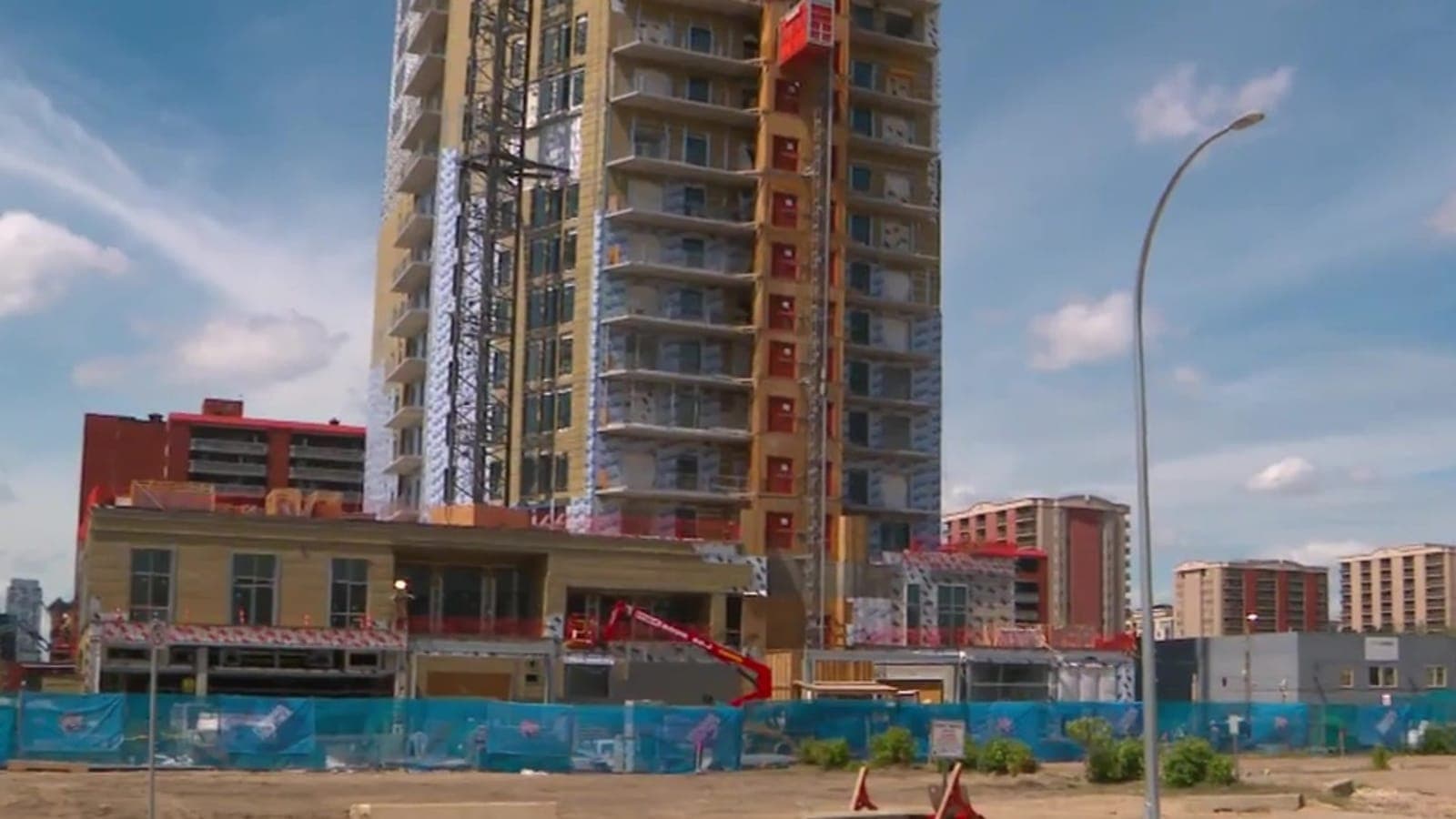
Edmonton set a record for rental housing construction in 2025, and the wave of new purpose-built apartments now opening across the city is reshaping what renters can expect in 2026. From transit-oriented villages at Strathearn to federally financed family rentals in Mill Woods and a $30-million downtown attainable housing program, the pipeline is deep, the concessions are real, and the timing for signing a lease on a brand-new unit may be the best it has been in years.
Key takeaways
- Edmonton recorded 21,337 housing starts in 2025, up 16% year over year, with multi-unit starts jumping 29% to 14,725 units (CMHC housing starts release).
- The purpose-built rental vacancy rate in the Edmonton CMA rose from 3% in October 2024 to 3.8% in October 2025, easing pressure on rents (Taproot Edmonton).
- Lease-up concessions on brand-new buildings commonly include two to six weeks of free rent, waived parking, or storage credits (The Property Consulting Group).
- Marquee projects under way include Strathearn Heights (1,900 rental homes over 10–20 years), Tweddle Place in Mill Woods (130 affordable rentals), and more than 550 new downtown student units at The Vantage, Lilac Park, Falcon Two, Quarters and Warehouse Block (CityNews Edmonton).
- The new $30-million Downtown Attainable Housing Incentive is expected to fund 570–850 units with rents fixed at 30% of Edmonton's median renter income (City of Edmonton).
Why Edmonton is building so much rental right now
Two things are driving the surge. The first is federal financing. The $55-billion Apartment Construction Loan Program (ACLP) offers low-cost, fully repayable loans for purpose-built rentals, and by September 2025 CMHC had committed $28.15 billion through the program to support more than 71,400 rental homes nationally (CMHC). The second is Edmonton's own policy stack: among the lowest development charges in Canada, Zoning Bylaw 20001 (in force since January 2024), and a steady flow of surplus-school-site and infill approvals (Infill Development in Edmonton Association).
The result is that rental starts, not single-family homes, are now leading the market. Edmonton's multi-unit starts rose from 11,408 in 2024 to 14,725 in 2025, a 29% jump, while single-detached starts slipped 5% (CMHC). Across Canada, record rental starts made up just over half of all urban housing starts in 2025 (CMHC national release).
That record pipeline is translating into a softer, more renter-friendly market. The Realtors Association of Edmonton noted in its commentary on the 2025 CMHC Rental Market Report that purpose-built rentals now average higher vacancies and lower monthly rents than condo rentals in the Greater Edmonton Area, with the nearby bedroom communities — Fort Saskatchewan in particular — absorbing units fastest (Realtors Association of Edmonton commentary on LinkedIn).
The 2026 outlook: vacancy up, rents stable, concessions common
The Property Consulting Group projects Edmonton's citywide vacancy will stabilize in the 3.2%–4.2% range in 2026, with average rent growth of just 3%–5% — a notably slower pace than the 2022–2024 spikes. Their analysis flags an important operating reality for new buildings: "Owners are turning to data-driven pricing and surgical concessions — two to six weeks free, or parking/storage credits — versus blanket discounts, to preserve rent integrity while accelerating lease-ups" (The Property Consulting Group).
Translation for renters: the sticker rent on a new-build tower may look similar to last year, but the move-in deal is where the savings hide. Ask about free months, waived admin fees, included parking, and whether the owner will match a competitor's concession across the street.
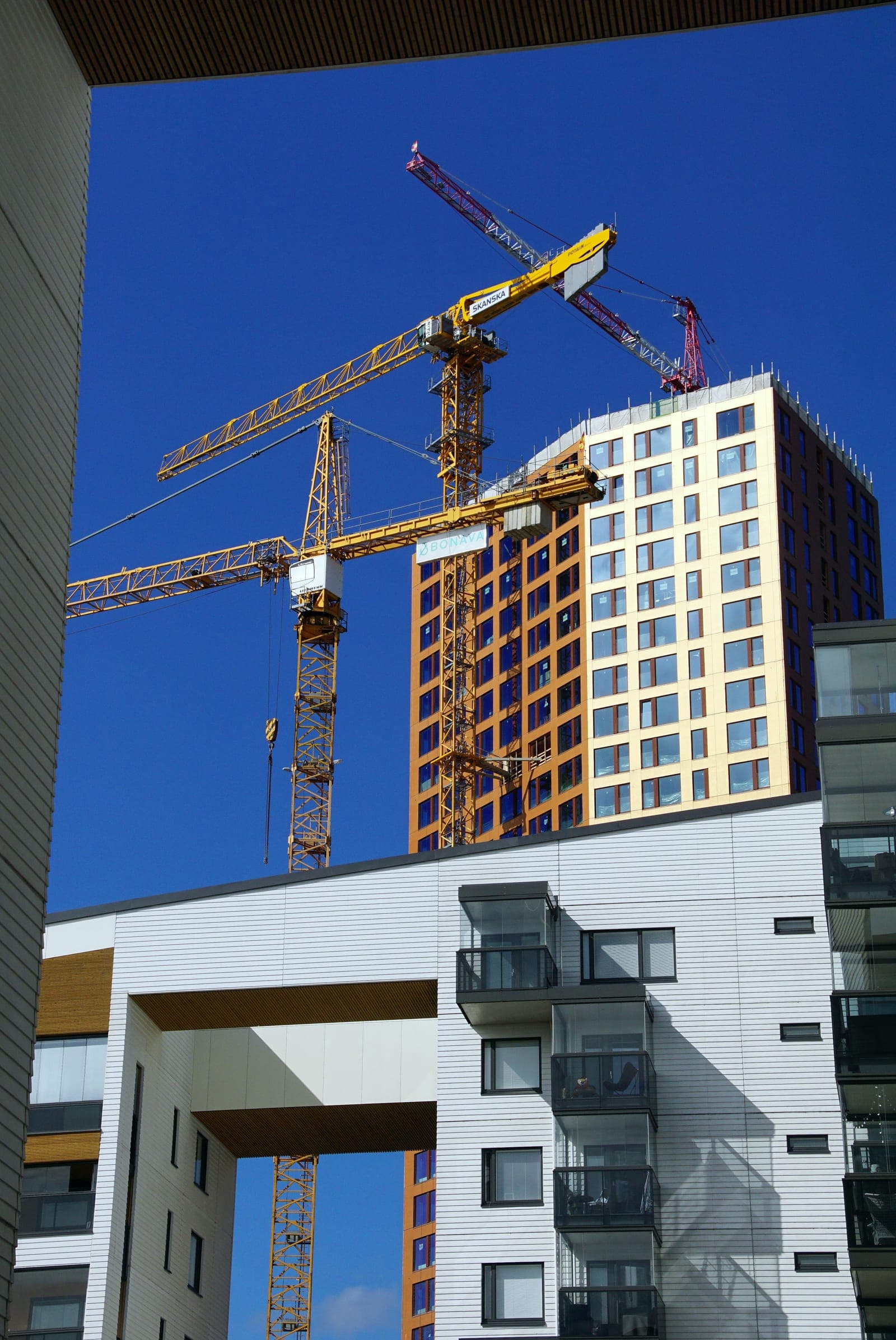
The projects to watch in 2026
Strathearn Heights (95 Avenue & 87 Street)
The biggest transit-oriented rental project in the city. A joint venture of Rockwell Investments, Canderel, Nearctic Properties and Westlake broke ground in January 2026 on the first phase: 183 purpose-built rental apartments in two six-storey buildings anchored by a public plaza, with retail and new pedestrian/cycling links to the river valley. Phase 1 targets completion by the end of 2027, with the long-term build-out topping 1,900 rental homes across a 24-acre assembly directly next to the Strathearn LRT stop (RENX, Connect CRE). Existing tenants are not being displaced; the plan calls for building alongside the current 505 apartments in 54 buildings.
Tweddle Place (2021 Millbourne Road West NW, Mill Woods)
Two four-storey buildings, 130 rental units, financed by $34 million in low-interest CMHC loans to Regency Developments. Roughly 79% of the units are two-bedrooms aimed at families. All ground-floor suites are built to accessibility standards, all units must have rents at or below 30% of Edmonton's median household income, and the site reserves space for child care (CMHC, CityNews via YouTube).
Downtown student housing (550+ units)
The now-closed $15-million Downtown Student Housing Incentive, part of Edmonton's Housing Accelerator Fund Action Plan, has allocated funding across five projects breaking ground in 2026 (City of Edmonton downtown incentives):
| Project | Address | Units |
|---|---|---|
| The Vantage | 10145 106 Street | 92 |
| Falcon Two | 10003 104 Street | 67 |
| Quarters Student Housing | 10316 96 Street | 150 |
| Warehouse Block | 10189 106 Street | 150 |
| Lilac Park | 10154 108 Street | 108 |
Rents must stay at or below Edmonton average and be reserved for students for at least 10 years — a meaningful anchor for MacEwan and NorQuest students (GSL Global coverage).
Downtown Attainable Housing Incentive
Applications opened March 31, 2026 for the new $30-million program, funded through the extended downtown community revitalization levy and delivered as a 10-year tax rebate. Projects must build new rental buildings with at least 25% of units meeting attainable criteria for at least 10 years. City staff estimate 570–850 units will be funded (City of Edmonton, Taproot Edmonton).
Parkside North Townhomes (Village at Griesbach)
91 affordable rental townhomes at 6409 Laubman Street NW, developed by HomeEd as Canada's first Net Zero townhome project. Funded through the Affordable Housing Fund and Federal Lands Initiative, the project opened in late 2025 near schools, parks and retail in the master-planned Griesbach community (CMHC).
Belmont (13207-37 Street NW)
On a surplus school site in the northeast, Civida and Synergy Projects are preparing a four-storey apartment with 1- to 4-bedroom units. About 65% of units will be below-market; the balance market-rate. Construction is slated to begin in 2026 (Civida).
Where the new inventory is concentrating
New purpose-built construction is not evenly distributed. Based on the current pipeline and market commentary, the heaviest activity is in:
- Downtown and the Ice District fringe, where the Attainable Housing and Student Housing incentives are stacking with Station Lands and other large-format projects on the old railyards.
- Oliver, which continues to attract investor-owned condo and infill rental activity because of its walkability to downtown and Grant MacEwan.
- Strathearn and the Valley Line LRT corridor, anchored by the 1,900-unit Strathearn Heights build-out.
- Mill Woods, with the Tweddle Place redevelopment bringing family-oriented rentals back to an established suburb.
- Griesbach and northeast infill sites like Belmont, where Civida and HomeEd are adding affordable family stock.
- Mature infill neighbourhoods across the city, where Zoning Bylaw 20001 has produced a 30% jump in approved dwelling units and a fourfold increase in row-housing approvals (Infill Development in Edmonton Association).
What to expect when leasing a brand-new building

Pricing and concessions
Headline rents on new one-bedroom apartments in central Edmonton typically run $1,450–$1,750, while two-bedrooms in purpose-built towers cluster in the $1,800–$2,300 range, depending on finishes and view. Those numbers sound high until you factor in concessions. On a building that is less than 50% leased, it is reasonable to negotiate:
- Two to six weeks of free rent applied as an upfront credit or prorated across the first year.
- Waived move-in or administration fees (often $150–$300).
- Free or discounted parking for 6–12 months (Edmonton stall rents typically run $125–$225/month).
- Storage locker or bike storage included.
- Locked-in rent at renewal or a rent cap for year two.
What new-build rents usually include
Most 2024–2026 vintage Edmonton buildings include heat, water and often natural gas in rent, with tenants responsible for electricity and internet. Energy-efficient design (triple-pane windows, heat-recovery ventilation, in-suite ERVs) is standard on MLI Select financed projects, which can meaningfully lower your electricity bill versus older walk-ups.
Amenities you should actually use
Developers compete on amenity packages. The common list now includes co-working lounges, parcel rooms with 24/7 access, fitness centres, rooftop patios, dog wash stations, EV charging, and secure bike rooms. Pet policies have also loosened: most new buildings accept two pets with a monthly pet fee rather than a flat refusal, a meaningful change from older Edmonton stock.
The risk to weigh: lease-up construction noise
If you sign for an early-completion floor in a building that is still finishing upper storeys, expect weekday construction noise and elevator interruptions. Ask for a lower rent on the first 6 months to offset, and confirm in writing when the building is expected to reach substantial completion and final occupancy.
A practical step-by-step for renting a new build in Edmonton
- Track pre-leasing windows 60–90 days before target move-in. Sign-up portals on developer websites often open earlier than public listings.
- Ask specifically about "lease-up" pricing and whether pricing tiers will step up as the building fills. New buildings usually raise rents 3%–5% once occupancy crosses 60%–70%.
- Request a net effective rent calculation — the advertised rent minus concessions divided by 12. This is the real number to compare across buildings.
- Confirm what is and is not included. Parking, storage and in-suite laundry are common extras that can add $150–$400/month.
- Read the lease for any "renewal rent cap" or "no-increase at renewal" language. Several new operators are offering 5%–7% renewal caps as a marketing tool.
- Walk the unit before signing — not just a model suite. New construction deficiencies are common; note chips, door alignment and appliance condition in your move-in inspection within seven days, as required under Alberta's Residential Tenancies Act.
- Verify utilities setup. Epcor handles power in Edmonton; Direct Energy, Encor and ATCO are common natural gas retailers. Set up accounts before move-in day.
- For affordable or attainable units (Tweddle Place, Civida, HomeEd and similar), apply early — income verification and waitlists routinely run 60–120 days.
How this changes the renter vs owner math
With vacancy trending above 3.8% and rent growth moderating to 3%–5%, renting a new build now looks financially competitive to owning in many parts of Edmonton, particularly for one- and two-bedroom households. If you land a six-weeks-free concession on a $1,900 two-bedroom, your net effective rent for year one is closer to $1,681 — and you avoid Alberta's ~2025 condo fee creep (typically 3%–8% annual increases in downtown Edmonton stock) and property tax exposure.
Renters weighing a move should not wait for prices to drop further. Supply is catching up, but the Property Consulting Group's forecast warns that "sustained inflows from interprovincial migration, newcomer settlement, and student demand continue to underpin absorption" (The Property Consulting Group). The best concessions are a lease-up phenomenon, not a permanent one.
Bottom line
Edmonton's new construction pipeline is the deepest it has been in a generation, and the competitive dynamics clearly favour renters in 2026. Whether you want a market-rate one-bedroom at Station Lands, a family two-bedroom at Tweddle Place, a student studio at The Vantage, or a below-market townhome at Parkside North, the inventory is there — and the move-in deals are real. The best strategy is to shop on net effective rent, negotiate hard during the lease-up window, and pay close attention to the renewal-rent language before you sign.
Sources
- CMHC — Canada announces funding for 130 homes in Edmonton (Tweddle Place)
- CMHC — Housing starts up 5.6% in 2025 from 2024
- CMHC — Canada announces opening of 91 rental homes in Edmonton (Parkside North)
- Taproot Edmonton — Rental housing starts up as more incentives arrive
- Taproot Edmonton — Downtown Attainable Housing Incentive coverage
- The Property Consulting Group — Edmonton 2026 rental market trends and outlook
- RENX — Rockwell, Canderel JV launches Edmonton's Strathearn
- Connect CRE — Strathearn Development starts Edmonton apartment project
- CityNews Edmonton — Edmonton to create 550 new housing units for students
- City of Edmonton — Downtown Development Incentives
- GSL Global — Edmonton Commits $15M to Expand Downtown Student Housing
- Realtors Association of Edmonton — Commentary on CMHC 2025 Rental Market Report
- Civida — Belmont development
- Infill Development in Edmonton Association — Zoning Bylaw 20001 position paper
- CBC — Construction started on record number of dwellings in Alberta in 2025