Alberta Landlord Legal Obligations: A 2026 Compliance Guide for Edmonton Property Owners
Every legal requirement Edmonton landlords must meet under Alberta's Residential Tenancies Act, from lease agreements and inspections to deposits, maintenance, and entry rules.
Renting out a property in Edmonton is relatively straightforward compared to many Canadian cities -- there is no landlord licensing requirement, no rent control, and the regulatory framework is contained in a single provincial statute. But that simplicity can be misleading. The Residential Tenancies Act (RTA) imposes specific obligations on landlords that carry real penalties when ignored: fines under the Act, financial damages awarded through the RTDRS, and forfeiture of security deposit claims.
This guide covers every major legal obligation an Edmonton landlord must meet in 2026, organized by the lifecycle of a tenancy.
Key takeaways
- A written lease is not legally required in Alberta, but an oral agreement exposes landlords to significant risk. If you do use a written lease, you must include a specific RTA statement in larger text and return a signed copy to the tenant within 21 days.
- Move-in and move-out inspections are mandatory. If you skip the move-in inspection, you forfeit your right to claim damages from the security deposit.
- Security deposits cannot exceed one month's rent and must be deposited into a trust account within 2 business days. The 2026 interest rate is 0%.
- You must provide a written "notice of landlord" with your name and contact information within 7 days of a tenant moving in.
- Landlords must give 24 hours' written notice before entering a rental unit, except in emergencies. Fines for unauthorized entry have increased as of 2025.
- Rent can only be increased once per 365 days with 3 months' written notice. No increases are permitted during a fixed-term lease.
- Edmonton does not require a general landlord or rental business license for standard long-term rentals, but properties must comply with the Community Standards Bylaw and the Alberta Safety Codes Act.
Before the tenancy: preparation and compliance
Licensing and permits
Unlike cities such as Vancouver or Toronto, the City of Edmonton does not currently require a general landlord or rental accommodation business license for standard long-term residential rentals. However, there are exceptions:
- Short-term rentals (Airbnb-style) may require a business license and Development Permit depending on the property's zoning.
- Certain multi-unit dwellings may trigger additional requirements. Always verify with the City's bylaws for your specific property type.
All rental properties must comply with the City of Edmonton Community Standards Bylaw, which requires properties to be maintained to prevent health, safety, fire, or accident hazards. This covers the building interior and exterior, yard and fencing, accessory buildings, and adjoining public property such as the boulevard.
Properties must also meet the Alberta Safety Codes Act requirements. At minimum, this means working smoke detectors on every level and carbon monoxide detectors as required by law.
Insurance
While Alberta law does not mandate landlord insurance, operating without it is a significant risk. According to Amhurst Property Management's guide to Alberta landlord insurance, a basic landlord policy should include:
- Liability coverage -- protects against lawsuits if someone is injured on your property and you are found negligent.
- Structure coverage -- covers the physical building against fire, storms, vandalism, and theft.
- Personal property coverage -- covers landlord-owned items in the unit (appliances, furniture in furnished rentals).
A landlord's policy does not cover the tenant's belongings. Acera Insurance confirms that tenants need their own renter's insurance for personal property, personal liability, and additional living expenses if displacement occurs.
Tenant screening
Alberta's Human Rights Act prohibits discrimination in housing based on protected grounds including race, gender, age, family status, disability, and source of income. All screening decisions must be based on legitimate business factors: income verification, credit history, rental references, and employment status.
The lease agreement
Written vs. oral leases
According to the Centre for Public Legal Education Alberta (CPLEA), a written lease is not legally required in Alberta. An oral or implied agreement is valid and enforceable. However, a written lease is strongly recommended because:
- It clarifies responsibilities and expectations for both parties.
- It provides evidence in disputes before the RTDRS.
- If the property is sold, the new landlord must honor any written agreement already in place.
Mandatory lease provisions
If you do use a written lease, the RTA requires it to include the following statement in larger text than the rest of the agreement:
"The tenancy created by this agreement is governed by the Residential Tenancies Act and if there is a conflict between this agreement and the Act, the Act prevails."
The CPLEA also notes that once a tenant signs and returns the lease, the landlord must provide the tenant with a signed copy within 21 days. This is legally significant: if the landlord fails to provide a signed copy, the tenant has the right to withhold rent until they receive one. This is the only circumstance under the RTA where a tenant may legally withhold rent.
What to include in the lease
According to the JK Law Office's Alberta lease guide and CCI North Alberta's condo rental guide, a comprehensive lease should cover:
- Names of all parties and the rental address
- Lease type (fixed-term, periodic, or hybrid) and start/end dates
- Rent amount, due date, and accepted payment methods
- What is included in rent (utilities, parking, laundry, storage)
- Security deposit amount
- Pet policy and any restrictions
- Maintenance responsibilities (snow clearing, lawn care)
- Rules about smoking, guests, and noise
- Termination and renewal terms
- Signatures of both landlord and tenant
As of 2025, electronic leases are fully legal and enforceable in Alberta. No paper signature is required as long as both parties consent.
Lease types
JK Law Office outlines three types of tenancy agreements recognized in Alberta:
| Type | Description | Termination |
|---|---|---|
| Fixed-term | Set start and end date (e.g., 12 months) | Ends automatically on the end date; no notice required |
| Periodic | Start date but no end date (month-to-month, week-to-week) | Either party gives written notice to end |
| Hybrid | Starts as fixed-term, converts to periodic after expiry | Fixed-term rules apply first, then periodic rules |
Starting the tenancy
Notice of landlord
Within 7 days of a tenant moving in, the landlord must provide a written notice containing the landlord's name and contact address. Alternatively, this information can be posted in a visible location in the building's common area (lobby, mail room). This ensures the tenant knows how to reach the landlord for maintenance requests, emergencies, and correspondence.
Move-in inspection
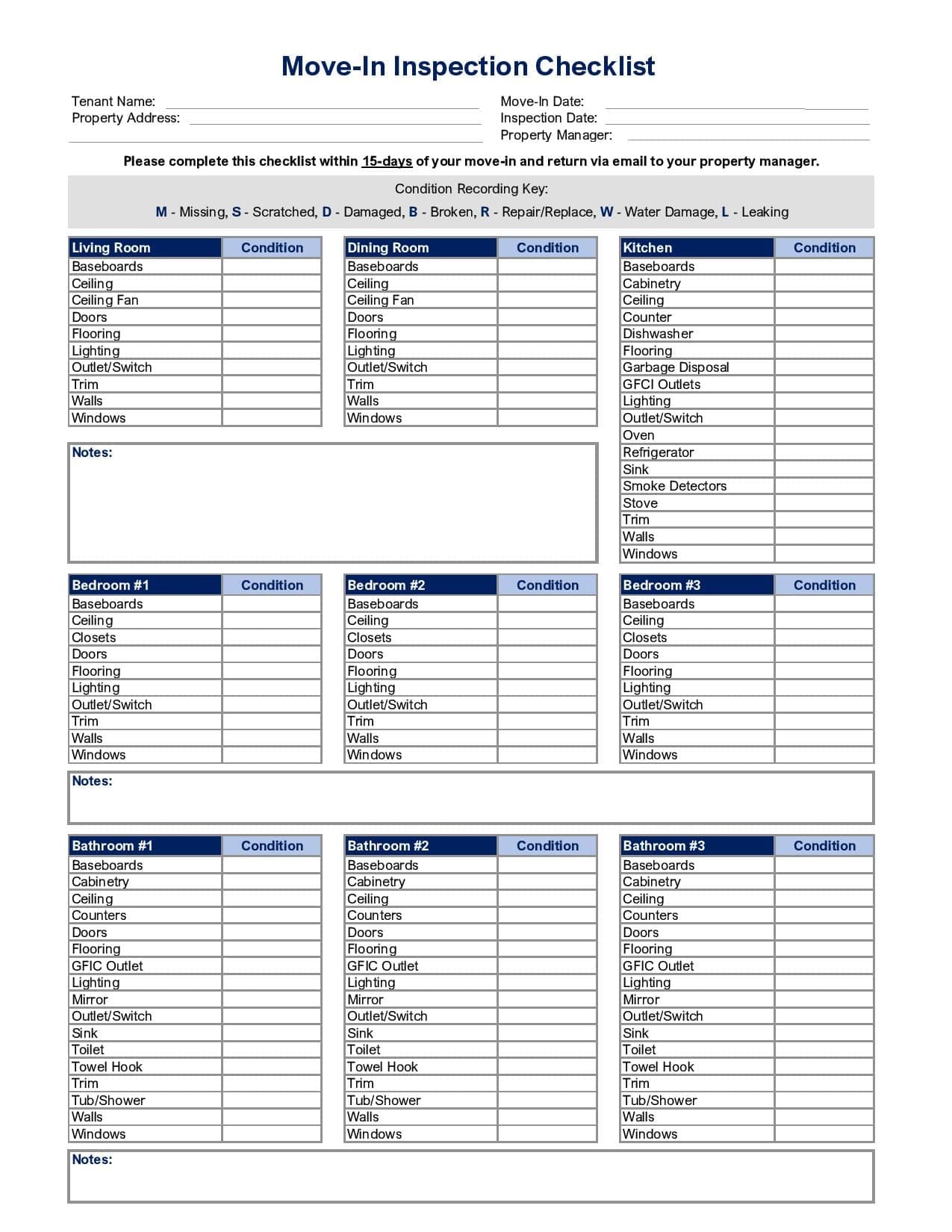
According to Power Properties' Edmonton landlord guide, move-in and move-out inspections are mandatory under the RTA. The move-in inspection must be completed in writing, signed by both parties, and a copy provided to the tenant.
This is critical: if a landlord does not complete a move-in inspection, they forfeit their right to make any deductions from the security deposit for damages at the end of the tenancy. The inspection establishes the baseline condition of the property and is the primary evidence in deposit disputes before the RTDRS.
Best practice is to conduct the inspection within the first week of the tenancy, take dated photographs of every room, and have both parties sign immediately.
Security deposit
The security deposit rules under the RTA are strict and non-negotiable:
- Maximum amount: One month's rent. No additional pet deposits or fees beyond this cap.
- Trust account: The deposit must be placed into an interest-bearing trust account within 2 business days of receipt.
- Interest rate: The 2026 rate is 0%, meaning no interest payment is required for deposits held during 2026.
During the tenancy
Maintenance and habitability
The RTA requires landlords to ensure the property is habitable at the beginning and throughout the tenancy. "Habitable" means the property meets the Minimum Housing and Health Standards under the Public Health Act and Housing Regulation. According to GIL Property Management's 2025 guide, this includes:
- Heating and plumbing systems in working order
- Building structure is safe and weatherproof (wind, rain, and snow cannot enter)
- No pest infestations (including bedbugs)
- All utilities and services included in the lease are functional
If a landlord fails to maintain habitability, tenants can file a complaint with the RTDRS and may be able to terminate the lease early. RentMouse's Alberta landlord guide notes that failing to maintain minimum standards constitutes a "substantial breach" of the lease.
Landlords also cannot shut off utilities as a way to pressure a tenant. This is illegal under the RTA regardless of the circumstances.
Entry and privacy
Landlords must provide 24 hours' written notice before entering a tenant's unit. Entry is only permitted for valid reasons: repairs, inspections, or showings (during the final month of a fixed-term lease or after notice has been given to end a periodic tenancy). Entry must occur at a reasonable time of day.
The only exception is a genuine emergency -- fire, flood, or a situation requiring urgent repair to prevent further damage.
As of 2025, fines for unauthorized entry have increased. Tenants can file complaints with the RTDRS, and landlords who repeatedly violate entry rules face escalating penalties.
Rent increases
There is no rent control in Alberta, but the RTA imposes procedural requirements:
- Frequency: Rent can only increase once every 365 days.
- Notice: Landlords must give at least 3 months' written notice before an increase takes effect.
- Fixed-term leases: Rent cannot increase during a fixed-term lease unless the agreement specifically allows it and includes the amount or method of calculation.
If a landlord does not follow these procedures, the rent increase may be unenforceable and the tenant can challenge it through the RTDRS.
Ending the tenancy
Landlord-initiated termination
A landlord cannot end a tenancy without following the RTA's notice requirements. According to Larlyn Property Management, valid reasons for termination include non-payment of rent, significant property damage, illegal activity, or the landlord's personal use of the property.
For periodic tenancies ended without tenant fault (e.g., landlord moving in, major renovations), the landlord must provide 3 months' written notice including the reason.
For tenant breaches (non-payment, lease violations), a 14-day notice is standard. If the issue is unpaid rent, the tenant can stop the eviction by paying all amounts owed before the 14-day deadline expires.
Self-help evictions are illegal. A landlord can never change the locks, remove the tenant's belongings, or shut off utilities to force a tenant out. These actions carry penalties under the RTA and can result in financial damages awarded to the tenant.
Move-out inspection and deposit return
At the end of the tenancy, the landlord must complete a move-out inspection and compare it to the move-in report. Within 10 days of the tenancy ending, the landlord must either:
- Return the full deposit (with any accumulated interest), or
- Provide a written, itemized statement of deductions along with the remaining balance.
If deductions are claimed, the final statement and any remaining money must be provided within 30 days. Deductions must be for actual damages beyond normal wear and tear -- routine cleaning costs or cosmetic aging are not valid deductions.
Condo-specific obligations
Edmonton landlords who rent out condominium units face additional obligations under the Condominium Property Act (CPA). According to CCI North Alberta and Alberta.ca:
- Notify the condo corporation in writing of your intent to rent, your mailing address for service, and the rent amount -- before the tenancy starts.
- Provide the tenant's name to the corporation within 20 days of the tenancy starting.
- Notify the corporation within 20 days of the tenancy ending.
- Pay a condo corporation deposit if requested (up to $1,000 or one month's rent, whichever is greater). This is separate from the tenant's security deposit -- you cannot pass this cost to the tenant.
- Ensure the tenant follows condo bylaws. Bylaws override the tenancy agreement and the RTA. The corporation can fine tenants or even issue a notice to vacate for bylaw violations.
Tax obligations
Rental income is taxable in Canada. Edmonton landlords must report net rental income on CRA Form T776 (Statement of Real Estate Rentals) with their personal tax return. Key deductible expenses include:
- Mortgage interest (not principal payments)
- Property taxes
- Property insurance premiums
- Utilities paid by the landlord
- Repairs and maintenance (not capital improvements)
- Property management fees
- Advertising costs for finding tenants
Quick compliance checklist
| Requirement | Timing | Penalty for Non-Compliance |
|---|---|---|
| Written "notice of landlord" | Within 7 days of move-in | Offence under the RTA; fine possible |
| Move-in inspection report | At start of tenancy | Forfeit right to claim deposit deductions |
| Deposit into trust account | Within 2 business days | RTDRS claim; potential damages |
| Signed lease copy to tenant | Within 21 days | Tenant may legally withhold rent |
| 24-hour entry notice | Before each entry | Increased fines as of 2025; RTDRS complaint |
| 3-month rent increase notice | Before each increase | Increase may be unenforceable |
| Move-out inspection | At end of tenancy | Weakened position in deposit disputes |
| Return deposit or itemized statement | Within 10 days of tenancy end | RTDRS claim; damages awarded to tenant |
Staying compliant with the RTA is not complicated, but it requires discipline around documentation and timelines. The landlords who face the most costly RTDRS disputes are typically those who skipped inspections, failed to provide proper notice, or mishandled security deposits. The checklist above covers the essentials -- follow it consistently and you will avoid the most common legal pitfalls in Edmonton's rental market.
Sources
- Alberta.ca -- Landlords and Tenants: Rights and Responsibilities: https://www.alberta.ca/rights-and-responsibilities
- Alberta.ca -- Annual Security Deposit Interest Rate (2026): https://www.alberta.ca/annual-security-deposit-interest-rate
- Centre for Public Legal Education Alberta (CPLEA) -- Does the Lease Have to Be in Writing?: https://www.landlordandtenant.org/leases-and-agreements/lease-in-writing/
- CPLEA -- Responsibilities of Landlords and Tenants: https://www.landlordandtenant.org/responsibilities/
- CPLEA / CondoLawAlberta -- Renting Your Condo: https://www.condolawalberta.ca/owners/renting-selling/renting-your-condo/
- Power Properties -- How to Rent Your House in Edmonton in 5 Simple Steps: https://www.powerproperties.net/blog/how-to-rent-your-house-in-edmonton-in-5-simple-steps
- GIL Property Management -- Navigating Alberta's Landlord-Tenant Laws in 2025: https://gilprop.com/gils-guide-to-albertas-landlord-tenant-laws-in-2025/
- RentMouse -- Alberta Landlord's Guide to Rental Laws 2025: https://www.rentmouse.com/blog/alberta-landlord-s-guide-to-rental-laws-responsibilities-2025-edition
- Drummer Realty -- What to Know About Alberta's RTA in 2025: https://www.drummerrealty.com/blogs/what-to-know-about-albertas-residential-tenancies-act-in-2025
- Larlyn Property Management -- Legal Requirements for Landlords in Alberta: https://www.larlyn.com/client-education/legal-requirements-landlords-alberta/
- JK Law Office -- Lease Agreements in Alberta: https://www.jklawoffice.ca/blog/lease-agreements-in-alberta-legal-tips-for-landlords-and-tenants/
- CCI North Alberta -- Renting Out Your Condo: https://www.ccinorthalberta.com/renting-out-your-condo/
- Amhurst Property Management -- Landlord Insurance in Alberta: https://www.amhurst.net/a-comprehensive-guide-for-landlord-insurance-in-alberta/
- Acera Insurance -- Am I Covered by My Landlord's Insurance?: https://acera.ca/am-i-covered-by-my-landlords-insurance/
- City of Edmonton -- Property Standards: https://www.edmonton.ca/residential_neighbourhoods/property-standards-in-edmonton