Condo Rentals vs Purpose-Built Apartments in Edmonton: What Renters Need to Know
Edmonton renters can choose between investor-owned condos and purpose-built rental apartments — and the differences go far beyond the unit itself. Here's a data-backed comparison of pricing, vacancy, bylaws, amenities, and legal protections.
When searching for a rental in Edmonton, you will inevitably run into two very different types of listings: condominiums rented out by individual investor-owners, and purpose-built rental apartments managed by property management companies or institutional landlords. The units can look similar on paper, but the experience of living in them — and the legal framework governing your tenancy — differs in meaningful ways.
This guide breaks down the real differences with current Edmonton market data so you can make an informed choice.
Key takeaways:
- Edmonton's condo rental vacancy rate is just 1.7%, compared to 3.8% for purpose-built apartments (CMHC, October 2025)
- Average 2-bedroom rent: $1,655/month for condos vs $1,603/month for purpose-built apartments
- Condo tenants are subject to both the Alberta Residential Tenancies Act and the Condominium Property Act — the condo board can evict you directly for bylaw violations
- Purpose-built apartments typically offer on-site management, maintenance teams, and building amenities; condo service depends on the individual owner
- 37% of Edmonton condos are now offered as long-term rentals, adding approximately 2,015 units to the rental stock in 2025
The Market Picture: Pricing and Vacancy
The numbers tell a clear story about how these two segments sit in Edmonton's market right now.
According to CMHC's 2025 Rental Market Report, as of October 2025:
| Metric | Purpose-Built Apartments | Condo Rentals |
|---|---|---|
| Vacancy rate | 3.8% | 1.7% |
| Average 2-bedroom rent | $1,603/month | $1,655/month |
| Year-over-year rent growth | +3.5% | Comparable |
The condo vacancy rate is less than half the purpose-built rate. CMHC attributes this to the fact that individual condo owners are more flexible on pricing — they would rather cut rent slightly than carry a vacant unit and absorb mortgage payments, condo fees, and property tax out of pocket. That competitive pricing pressure keeps condo vacancy persistently low.
For renters, the practical implication is that condo rentals are tighter and harder to find, but slightly more negotiable on price. Purpose-built apartments have more availability, especially in newer buildings going through initial lease-up, where free-rent incentives of 2-6 weeks are becoming standard.
The condo rental segment is also growing. CMHC found that 37% of Edmonton's condo apartment universe is now offered as long-term rentals, adding roughly 2,015 units to the rental stock in 2025. This growth was mainly concentrated in suburban areas, where rental demand remained steady.
What You're Actually Renting: The Structural Difference
Purpose-Built Rental Apartments
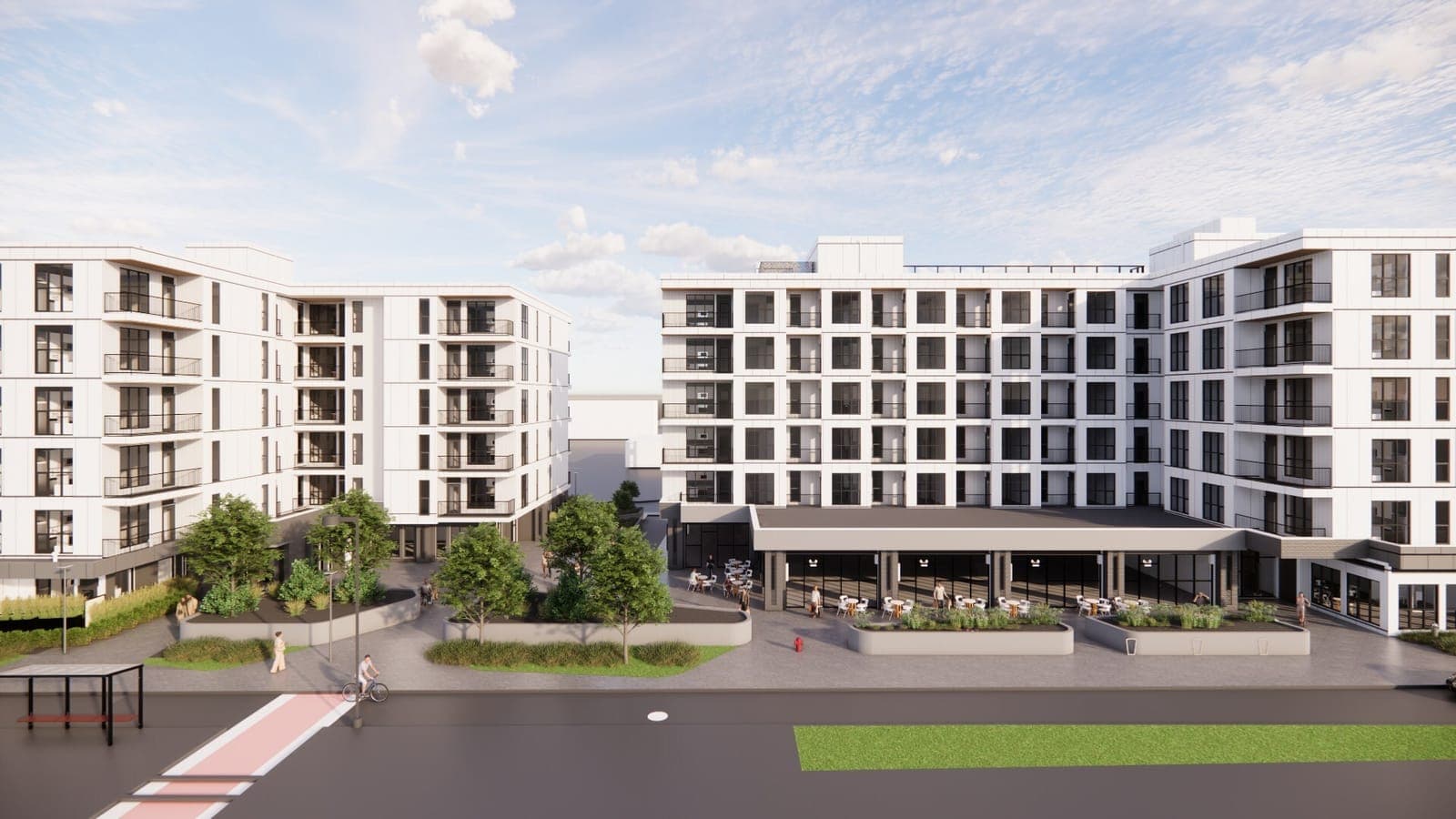
These buildings were designed, built, and operated as rental properties. They are typically owned by institutional investors, real estate investment trusts (REITs), or property management companies. Key characteristics:
- Professional management: A dedicated management office, often on-site, handles leasing, maintenance requests, and building operations.
- Maintenance teams: Purpose-built buildings employ maintenance staff who handle repairs, common area cleaning, and emergency issues.
- Standardized leases: You sign the company's standard lease, which is generally consistent across their portfolio.
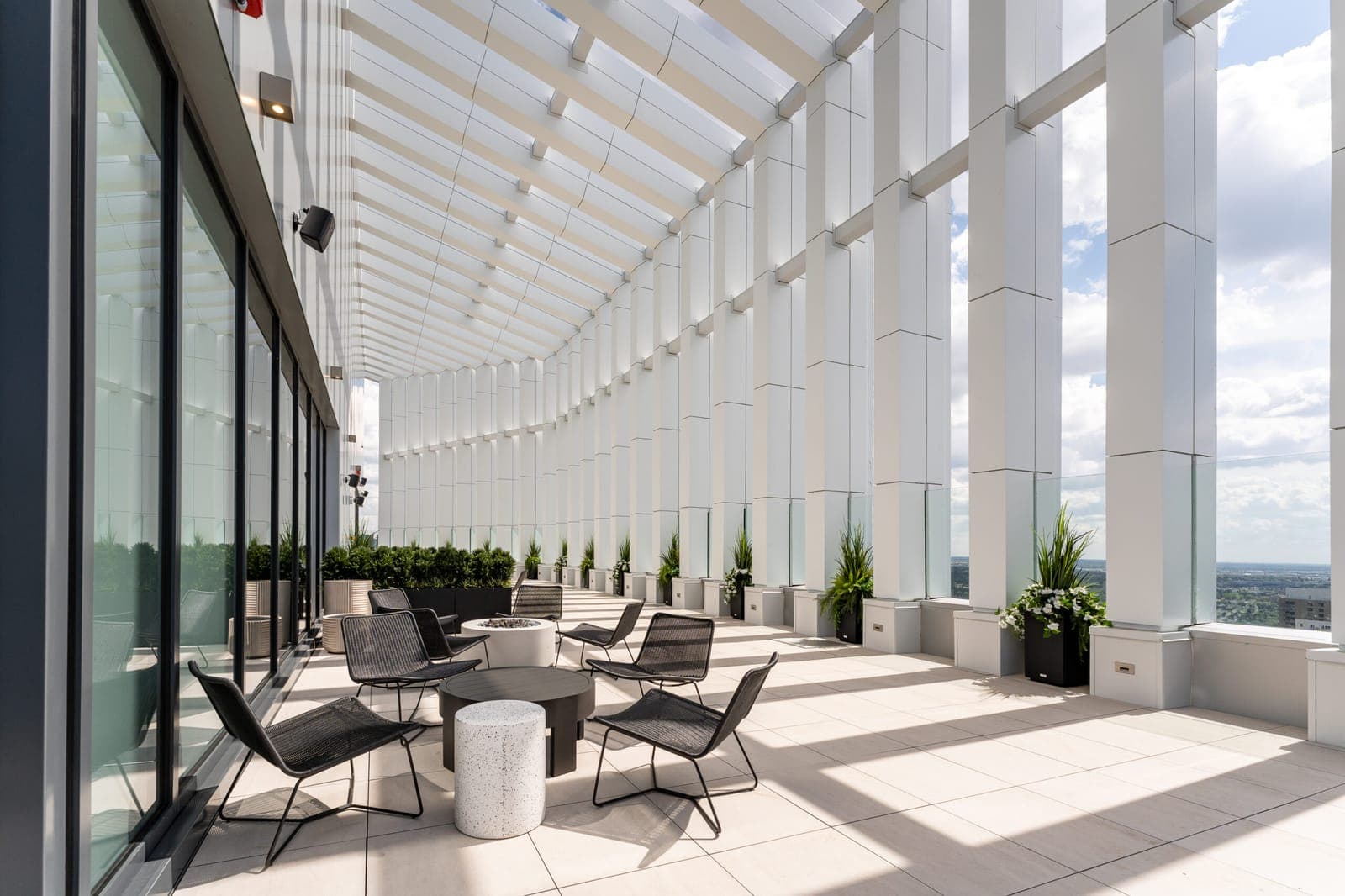
- Building amenities: Newer purpose-built buildings in Edmonton — like those in the ICE District corridor, Stadium Yards, and Windermere — often include gyms, rooftop terraces, co-working spaces, pet wash stations, and parcel lockers.
- Consistent quality: Units within the same building are typically finished to a uniform standard.
The downside: purpose-built buildings, especially older ones built in the 1960s-1980s, can feel dated. And because they are managed for portfolio return, there is less room for personalized arrangements — parking rates, storage fees, and pet deposits follow corporate policy.
Condo Rentals
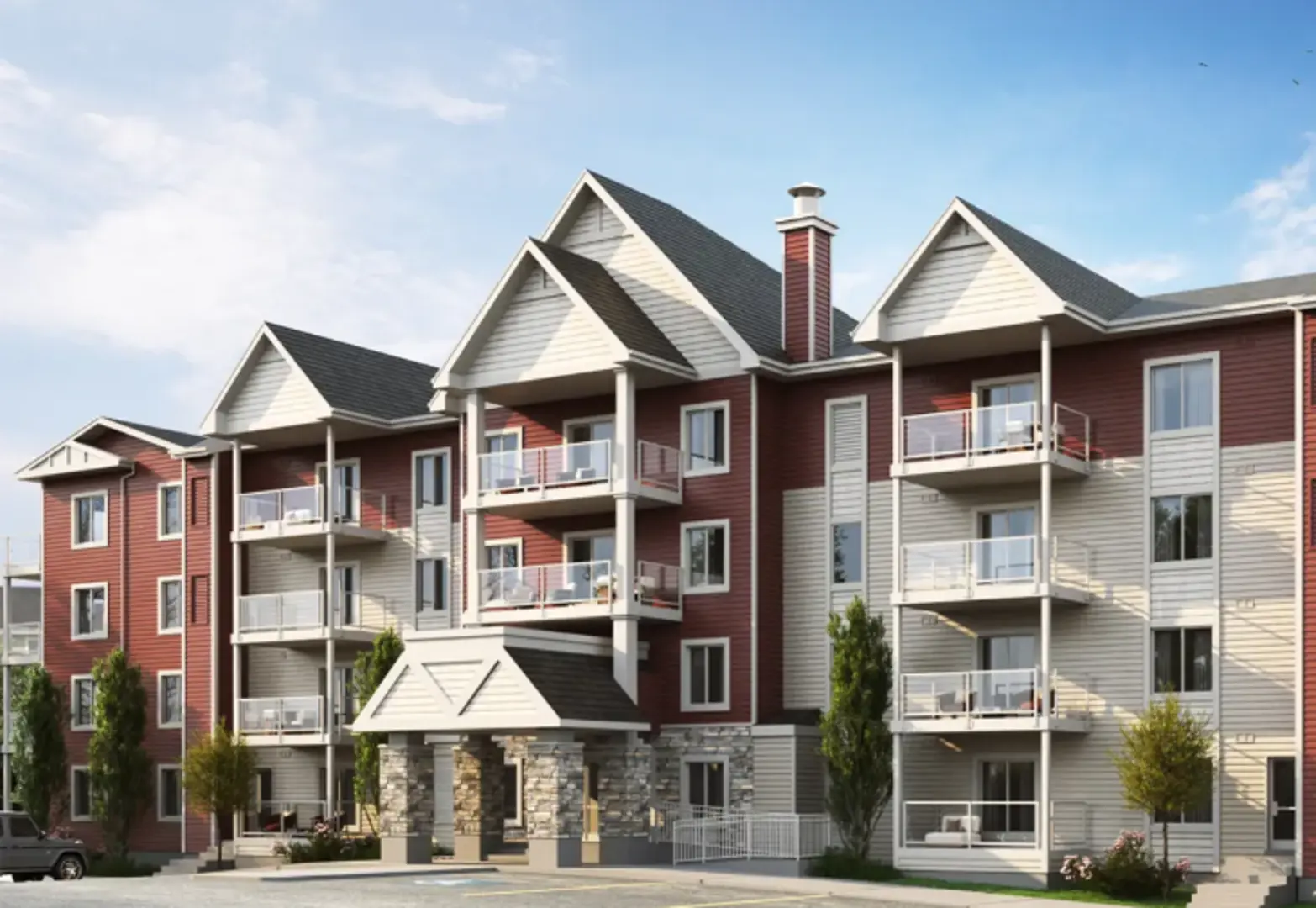
A condo rental is an individually owned unit inside a condominium building. The owner (who may live elsewhere) rents it to you. Key characteristics:
- Individual landlord: Your relationship is with a single owner, not a corporation. Service quality depends entirely on that person.
- Varied finishes: Condo units tend to have higher-end finishes than comparably priced purpose-built apartments — granite counters, stainless steel appliances, upgraded flooring — because they were originally built to attract buyers.
- Building amenities vary: Condo buildings may have amenities (gym, pool, party room), but as a renter, your access depends on the condo corporation's bylaws and whether the owner has arranged access for you.
- Condo board oversight: You are subject to the building's bylaws in addition to your lease. The condo board has enforcement power that goes beyond what a typical landlord has.
- Less predictable management: If your dishwasher breaks, you are waiting on your individual landlord to arrange a repair — not an on-site maintenance team.
The Legal Framework: Two Sets of Rules
This is where the most important difference lies, and where many Edmonton renters get caught off guard.
Purpose-Built Apartments: The RTA
Purpose-built rental apartments are governed by the Alberta Residential Tenancies Act (RTA). Your rights and obligations — rent increases, security deposits, eviction procedures, inspection requirements — are all defined by this single statute. Your landlord is the building's ownership entity, and disputes are resolved through the Residential Tenancy Dispute Resolution Service (RTDRS) or the courts.
Condo Rentals: The RTA Plus the Condominium Property Act
Condo tenants are subject to both the RTA and the Condominium Property Act (CPA). This creates a dual layer of rules that can catch renters off guard:
The condo board can evict you directly. Under the CPA, the condominium board has the independent power to evict a tenant who has caused damage to common property or violated the building's bylaws. This eviction is separate from anything your landlord does — and your landlord cannot prevent it. The tenant must vacate by the last day of the month following the month the notice is served. If the tenant refuses to leave, the board can apply to the Court of King's Bench for an order.
Immediate eviction is possible in serious cases. If a tenant has caused or is causing excessive damage to common property, or is a danger to or intimidating other owners or tenants, the condo board can apply for an immediate eviction order from the Court of King's Bench, with just 5 days' advance notice.
Bylaws are enforceable against tenants. Condo bylaws — covering noise, pets, parking, short-term guests, common area use, move-in procedures, and more — apply to tenants the same way they apply to owners. According to FirstService Residential's 2025 Alberta condo bylaw guide, violations follow a structured enforcement process: written notice, at least 3 days to respond, then fines of up to $500 for a first violation and $1,000 for each subsequent violation. If a violation continues without correction, fines can be imposed weekly.
Your landlord is liable for your behavior. If a condo tenant causes trouble, the condo board can hold the unit owner responsible — including imposing fines. This is why CondoLawAlberta recommends that owners ensure the lease explicitly reflects building bylaws (such as a no-pets clause if the building prohibits pets). A lease provision that contradicts a bylaw is invalid.
Condo Fees, Deposits, and Who Pays What
The Rental Deposit
Here is a cost that applies only to condo rentals: the condominium corporation can require the unit owner to pay a rental deposit of up to $1,000 or one month's rent (whichever is greater) before renting the unit. This deposit covers potential damage to common property by the tenant. It is separate from the tenant's security deposit.
In practice, some owners pass this cost through by factoring it into the rent. Others absorb it as a cost of doing business. Either way, the tenant should know this mechanism exists — if the condo board deducts from the owner's rental deposit for damage you caused to common areas, your landlord may seek to recover that from your own security deposit.
Condo Fees
The unit owner is always ultimately responsible for paying condo fees to the corporation. However, under the CPA, the lease can specify that the tenant is responsible for all or part of the condo fees. If the lease is silent on this, the owner pays.
If the owner falls behind on condo fee payments, the corporation has a powerful remedy: it can require the tenant to pay rent directly to the corporation instead of the owner. The owner cannot take action against the tenant for complying with this direction.
Security Deposits
The rules are the same for both condo and purpose-built rentals: under the RTA, the maximum security deposit is one month's rent. The landlord must place it in a trust account within 2 banking days and pay interest. Move-in and move-out inspection reports are required to support any deductions.
Amenities: What You Actually Get
Purpose-built apartments, especially newer buildings, have been in an amenity arms race. Edmonton's recent purpose-built construction wave — 21,337 housing starts in 2025, a 16% year-over-year increase — has produced buildings competing aggressively for tenants with:
- Fitness centres and yoga studios
- Rooftop patios and BBQ areas
- Co-working lounges and meeting rooms
- Parcel lockers and concierge services
- Dog runs and pet wash stations
- In-suite laundry as standard
Condo buildings also have amenities, but access for tenants is not automatic. Some condo corporations restrict tenant use of certain amenities (such as party rooms or guest suites) to owners only. Others charge additional fees. The bylaws govern this, and you should clarify your access rights before signing a lease.
On the other hand, condo units themselves tend to be better finished than purpose-built rental apartments at the same price point. Condos were originally built to sell to buyers, which means higher-quality kitchens, better flooring, and more thoughtful layouts. Purpose-built apartments, particularly older stock, are designed for durability and ease of maintenance — which sometimes means laminate counters, vinyl flooring, and builder-grade fixtures.
Practical Considerations: A Side-by-Side Comparison
| Factor | Purpose-Built Apartment | Condo Rental |
|---|---|---|
| Average 2BR rent | $1,603/month | $1,655/month |
| Vacancy rate | 3.8% (more options) | 1.7% (tighter market) |
| Landlord | Property management company | Individual owner |
| Maintenance response | On-site team, usually fast | Depends on owner responsiveness |
| Legal framework | RTA only | RTA + Condominium Property Act |
| Eviction risk | Landlord only (via RTA) | Landlord (RTA) or condo board (CPA) |
| Bylaw fines | Not applicable | Up to $500 first violation, $1,000 subsequent |
| Lease flexibility | Standard corporate lease | More room to negotiate individual terms |
| Unit finishes | Functional, standardized | Typically higher-end |
| Amenity access | Full access included | May be restricted by bylaws |
| Incentives available | 2-6 weeks free rent common in new builds | Rare |
| Pet policies | Building-wide policy, often pet-friendly | Varies by building bylaws; some prohibit pets entirely |
Who Should Rent a Condo
You value finishes and layout over building management. If you want granite counters, stainless steel appliances, and a well-designed kitchen and bathroom over a 24/7 on-site management office, a condo rental often delivers more per dollar.
You want a quieter building. Condo buildings with high owner-occupancy rates tend to be quieter and better-maintained, because owners have a financial stake in the building's condition.
You're comfortable managing the landlord relationship. Condo landlords range from excellent to absent. If you are confident vetting a landlord before signing and comfortable escalating maintenance issues directly, the condo rental experience can be excellent.
You're looking for a location where purpose-built supply is limited. In established neighbourhoods like Glenora, Crestwood, or Riverbend, condo rentals may be the primary rental option because there is little purpose-built inventory.
Who Should Rent a Purpose-Built Apartment
You want hassle-free maintenance. If your furnace fails at 2 a.m. in January, a purpose-built building with on-site maintenance will respond the same night. A condo landlord who lives in Vancouver may not.
You want incentives and flexibility. With vacancy rising to 3.8% and heading toward 4.5% in 2026, purpose-built landlords are offering meaningful concessions: free rent, reduced parking, waived pet deposits. Individual condo owners rarely match this.
You want a single legal framework. One landlord, one set of rules (the RTA), one dispute resolution process. No condo board with independent eviction authority or bylaw fines.
You have pets. Many condo buildings restrict or prohibit pets outright through their bylaws. Purpose-built apartments increasingly market themselves as pet-friendly, with dedicated amenities for pet owners.
Before You Sign: Checklist for Condo Renters
If you decide a condo rental is the right fit, protect yourself by verifying these items before signing the lease:
- Get a copy of the condo bylaws. Read them in full. Look specifically for pet restrictions, noise rules, guest policies, parking assignments, and short-term rental prohibitions.
- Confirm amenity access. Ask whether tenants can use the gym, pool, party room, and other shared spaces. Get this in writing.
- Check the lease for condo fee responsibility. If the lease says you are responsible for condo fees, understand exactly how much they are and whether they can increase during your tenancy.
- Ask about the rental deposit. Find out if the condo corporation requires one from the owner, and whether the owner intends to factor it into your rent.
- Understand the dual eviction risk. Know that both your landlord and the condo board have independent eviction authority. Following the bylaws is not optional.
- Document everything at move-in. A thorough move-in inspection protects you from both your landlord and the condo corporation, both of whom may seek to recover repair costs from your deposits.
Sources
- CMHC — 2025 Rental Market Report (Edmonton): https://www.cmhc-schl.gc.ca/professionals/housing-markets-data-and-research/market-reports/rental-market-reports-major-centres
- CMHC — Inside Canada's 2025 Rental Market: https://www.cmhc-schl.gc.ca/observer/2025/inside-canada-2025-rental-market-what-changed
- CBC — Edmonton rental market outlook (February 2026): https://www.cbc.ca/news/canada/edmonton/cmhc-housing-outlook-rentals-alberta-9.7083869
- CondoLawAlberta — Renting Your Condo: https://www.condolawalberta.ca/owners/renting-selling/renting-your-condo/
- Gimme-Shelter — Rules About Renting Out Your Condo in Edmonton: https://www.gimme-shelter.com/rules-about-renting-your-condo-30008/
- FirstService Residential — Alberta Condo Bylaws: A 2025 Guide: https://www.fsresidential.com/alberta/news-events/articles/alberta-condo-bylaws/
- FirstService Residential — Understanding Alberta Tenant Rights 2025/2026: https://www.fsresidential.com/alberta/news-events/articles/understanding-alberta-tenant-rights/
- Connect CRE Canada — Canada's Tight Apartment Market Conditions Loosened in 2025: https://www.connectcre.ca/stories/canadas-tight-apartment-market-conditions-loosened-in-2025/
- Taproot Edmonton — Rental Housing Starts Up as More Incentives Arrive: https://edmonton.taproot.news/briefs/2026/03/13/rental-housing-starts-up-as-more-incentives-arrive
- Apartments.com — Edmonton Rent Market Trends (April 2026): https://www.apartments.com/rent-market-trends/edmonton-ab/
- DBH Law — Condo Corporation Prohibits Short-Term Unit Rentals: https://dbhllp.com/short-term-rental-restrictions-make-leasing-condo-unit-difficult-for-owner/