Alberta Tenant Rights in 2026: What Every Edmonton Renter Needs to Know
A plain-language guide to your legal rights as a renter in Alberta, covering security deposits, rent increases, eviction rules, privacy protections, and where to get help in Edmonton.
Alberta does not have rent control. There is no cap on how much a landlord can increase your rent. That single fact makes it critical for Edmonton renters to understand exactly what protections the law does provide -- and there are more than most people realize.
The Residential Tenancies Act (RTA) is the provincial law that governs every residential rental in Alberta. It covers leases, deposits, maintenance, privacy, rent increases, and evictions. Whether you rent a high-rise apartment in Oliver, a basement suite in Mill Woods, or a townhouse in Sherwood Park, these rules apply to you.
This guide breaks down the key rights you have as an Edmonton tenant in 2026, along with the specific steps you can take when those rights are not respected.
Key takeaways
- Alberta has no rent control, but landlords can only increase rent once every 365 days and must provide a minimum of 3 months' written notice.
- Security deposits are capped at one month's rent. For 2026, the interest rate on deposits is 0%, so no interest payment is required this year.
- Landlords must return your deposit (or provide an itemized statement of deductions) within 10 days of your tenancy ending.
- A landlord must give 24 hours' written notice before entering your unit, except in genuine emergencies.
- Eviction requires a formal written notice with a valid legal reason. For unpaid rent, landlords must give 14 days' notice -- and you can stop the eviction by paying what you owe before the deadline.
- The RTDRS is Alberta's fast-track dispute resolution tribunal. Filing fees change to a tiered structure on April 1, 2026: $75 for claims of $7,500 or less, $150 for claims over $7,500.
- Edmonton's Tenant Support line (780-496-5959) is available 7 days a week for free advice and mediation.
Your core rights under the RTA
According to the FSResidential Alberta tenant rights guide, every Alberta tenant has the following fundamental protections:
Right to a habitable home. Your landlord must keep the property in good repair and meet basic health, safety, and housing standards. Heating must work in winter, plumbing must function, and the structure must be safe. If the unit becomes uninhabitable due to the landlord's neglect, you may have grounds to end the lease early.
Right to quiet enjoyment. You have the legal right to use your home without unreasonable disruption from your landlord. Excessive unannounced visits, harassment, or interference with your daily life violate this right.
Right to privacy. Landlords must provide 24 hours' written notice before entering your unit, and the visit must be at a reasonable time of day. The only exception is a genuine emergency -- fire, flood, or a situation requiring urgent repair. Showings to prospective tenants are only permitted during the final month of a fixed-term lease or after notice has been given to end a periodic tenancy.
Protection from discrimination. The Alberta Human Rights Act prohibits discrimination in housing based on race, religion, gender identity or expression, disability, age, family status, source of income, sexual orientation, and other protected grounds. If you believe you have been denied housing or treated unfairly for a protected reason, you can file a complaint with the Alberta Human Rights Commission.
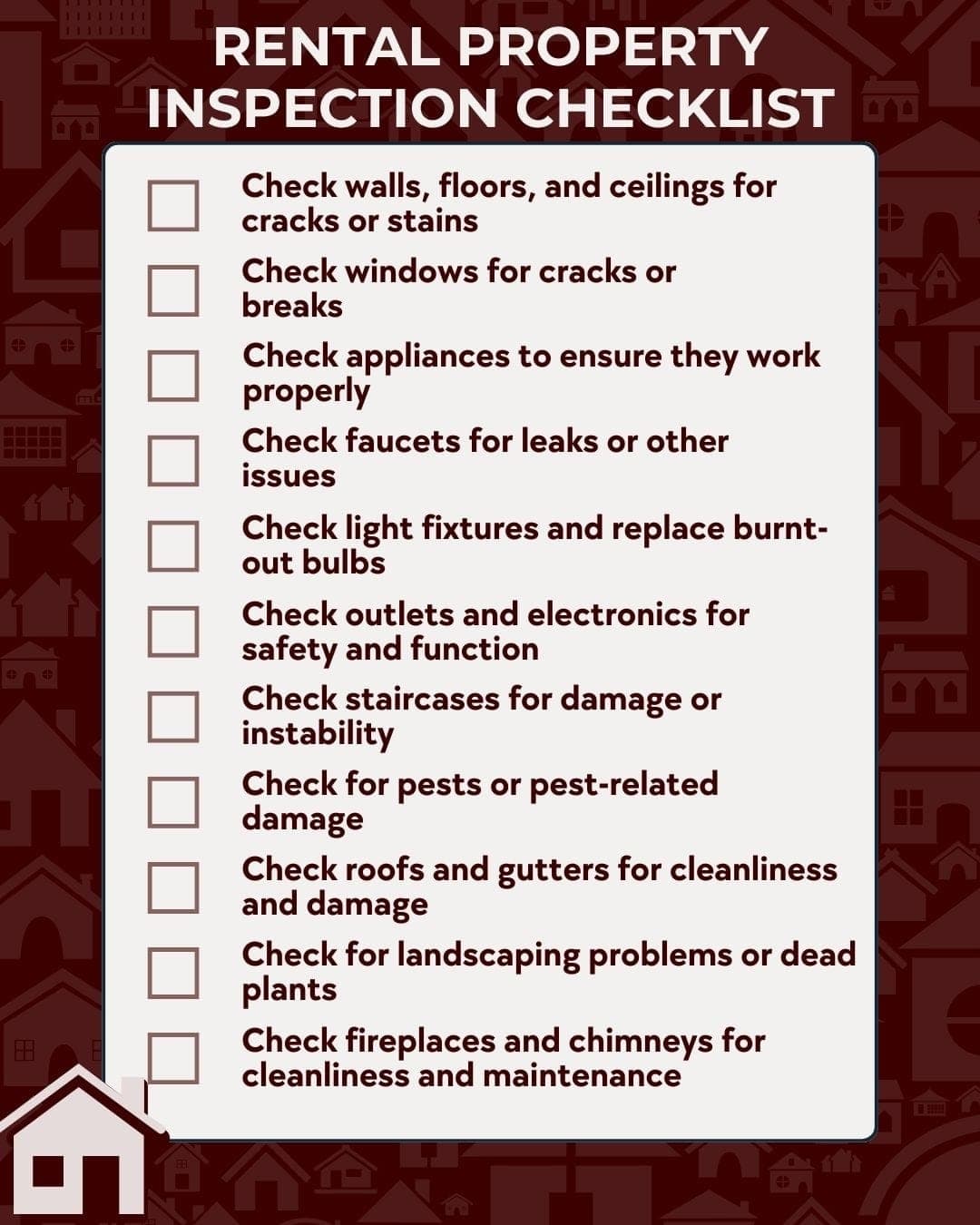
Right to documentation. Your landlord must provide you with a signed copy of your lease within 21 days of you returning it. Move-in and move-out inspection reports are required by law -- these are essential for protecting your security deposit.
Security deposits: the 2026 rules
Security deposits (often called "damage deposits" in Alberta) are one of the most common sources of disputes between landlords and tenants. Here are the rules as of 2026:
How much can a landlord charge?
The maximum security deposit is one month's rent. If your rent is $1,500/month, your deposit cannot exceed $1,500. This is a hard cap under the RTA -- no exceptions for pet deposits or additional fees beyond one month.
What about interest?
According to Alberta.ca's official security deposit interest rate page, the prescribed interest rate for 2026 is 0%. This means landlords are not required to pay any interest on deposits held during 2026. For reference, the rate was 0.5% in 2025 and 1.6% in 2024.
The rate is calculated annually using a formula tied to ATB Financial's one-year cashable GIC rate on November 1 of the previous year, minus 3 percentage points. If that rate is 3% or less, the deposit interest rate is 0%.
If your tenancy spans multiple years with different rates, the Alberta.ca security deposit interest calculator can help determine what is owed.
When must the deposit be returned?
Under the RTA, once your tenancy ends:
- The landlord has 10 days to return the full deposit with any accumulated interest, OR provide a written itemized statement of deductions along with the remaining balance.
- If deductions are claimed, the landlord must provide a final statement and any remaining money within 30 days.
- Deductions must be for actual damages beyond normal wear and tear, documented through move-in and move-out inspection reports. General cleaning costs or cosmetic wear that naturally occurs over time are not valid deductions.
According to Drummer Realty's 2025 RTA guide, if a landlord fails to return the deposit within the required timeframe, the tenant can file a claim through the RTDRS to recover it.
Rent increases: what landlords can and cannot do
Alberta is one of the few Canadian provinces with no rent control. There is no cap on the dollar amount or percentage a landlord can raise your rent. However, the RTA does impose procedural rules:
Frequency limit. A landlord can only increase rent once every 365 days. If your rent was increased on January 1, the earliest the next increase can take effect is January 1 of the following year.
Notice requirement. For month-to-month tenancies, the landlord must provide a minimum of 3 months' written notice before a rent increase takes effect. For example, to raise rent on July 1, the written notice must reach you by March 31 at the latest.
Fixed-term leases. Rent cannot increase during a fixed-term lease. If you signed a 12-month lease at $1,400/month, that price holds for the full 12 months. Any increase can only apply when the lease is renewed or converts to month-to-month.
No retroactive increases. According to the Canadian Centre for Housing Rights, if a landlord does not raise the rent in a given year, they cannot apply a retroactive increase the following year.
What to do about a large rent increase
If you receive a rent increase you cannot afford, your options include:
- Negotiate. Landlords prefer to keep good tenants. If you have a clean payment history and maintain the unit well, ask whether a smaller increase is possible.
- Verify compliance. Confirm the notice was written, provided at least 3 months in advance, and that 365 days have passed since the last increase. If any requirement is not met, the increase may not be enforceable.
- File with the RTDRS. If you believe the increase violates procedural rules, you can bring the matter to the Residential Tenancy Dispute Resolution Service.
- Give notice. If the increase is legal but unaffordable, you can end a month-to-month tenancy with one full month's written notice.
Eviction: your protections and the process
A landlord cannot simply tell you to leave. Alberta law requires a formal process with specific notice periods and valid reasons. According to Power Properties' eviction guide and Square One Insurance, the eviction process works as follows:
Types of eviction notices
14-day notice -- The most common type, used for non-payment of rent, lease violations, disturbing other tenants, or other breaches of the tenancy agreement. For unpaid rent, the notice must state that the tenancy will not terminate if the tenant pays all rent owing before the 14-day deadline. This "right to remedy" is a critical tenant protection -- if you pay in full before the notice expires, the eviction is cancelled.
24-hour notice -- Reserved for serious situations: significant property damage or assault/threats against the landlord or another tenant.
48-hour notice -- Used only when a tenant has vacated and an unauthorized person is living in the unit.
What happens after a notice is served
Receiving an eviction notice does not mean you must leave immediately. According to RentMouse's Alberta guide:
- If you receive a 14-day notice and object in writing within 14 days, the landlord must apply to the RTDRS or court for an eviction order. You cannot be removed until that order is granted.
- If the RTDRS rules in the landlord's favor, they receive an eviction order, which can be enforced by a bailiff.
- A landlord can never physically remove you, change the locks, or shut off utilities to force you out. These actions are illegal in Alberta.
Ending a periodic tenancy without fault
If a landlord wants to end a month-to-month tenancy for reasons unrelated to a breach (e.g., the landlord plans to move in or do major renovations), they must provide 3 months' written notice for monthly tenancies. This notice must include the reason for ending the tenancy.

Lease agreements: what to look for
As of 2025, electronic leases are fully legal and enforceable in Alberta -- no paper signature required, as long as both parties consent. Whether your lease is digital or on paper, here is what to confirm before signing:
- Term type. Is it a fixed-term lease (e.g., 12 months) or periodic (month-to-month)? This affects when rent can increase and how much notice is required to end the tenancy.
- Rent amount and payment method. Verify the exact monthly amount, due date, and accepted payment methods.
- What is included. Utilities, parking, laundry, internet, and storage should be clearly stated. In Edmonton, EPCOR (electricity and water) and ATCO (natural gas) are the main utility providers -- clarify which are tenant-paid.
- Pet policy. If you have pets, confirm the policy in writing. Some landlords charge monthly pet rent; others require an additional deposit (though the total deposit still cannot exceed one month's rent).
- Move-in inspection. The lease should reference a move-in inspection report. If your landlord does not offer one, request it -- this document is your primary defense against unfair deposit deductions when you move out.
Where to get help in Edmonton
Edmonton has several free and low-cost resources for tenants:
City of Edmonton Tenant Support
The City of Edmonton's Tenant Support program provides free one-on-one advice, landlord mediation, and navigation through the RTDRS process. The service is available 7 days a week.
- Phone: 780-496-5959
- Hours: Monday-Tuesday and Thursday-Sunday 8:30am-4pm, Wednesday 9:30am-4pm, Friday 8:30am-3pm
The City also runs free Rent Ready courses in partnership with Bissell Centre, C5 Hub, and Edmonton Public Libraries. These cover tenant rights, budgeting, and housing search skills. Certificate courses are running at EPL Strathcona and EPL Meadows through April 2026.
Alberta RTDRS
The Residential Tenancy Dispute Resolution Service is Alberta's specialized tribunal for landlord-tenant disputes. It handles security deposit claims, rent arrears, unauthorized entry, lease termination, and maintenance complaints. Filing is done online, and hearings are conducted by phone.
As of April 1, 2026, filing fees use a tiered structure:
| Claim Amount | Filing Fee |
|---|---|
| $7,500 or less | $75 |
| Over $7,500 | $150 |
| Counterclaim over $7,500 (existing application) | $100 |
Fees may be reduced or waived for low-income Albertans.
Legal resources
According to Alberta.ca's tenant and landlord resources page, the following organizations offer free or low-cost legal help in the Edmonton area:
- Student Legal Services (Edmonton): 780-492-8244
- Edmonton Community Legal Centre: 780-702-1725
- Centre for Public Legal Education Alberta: publishes free guides on landlord-tenant law
- Alberta Residential Landlord Association (ARLA): 780-413-9773 -- while primarily a landlord organization, their published forms and RTA resources are useful for tenants to understand landlord obligations
Bottom line
Alberta's lack of rent control puts the burden on tenants to know their rights. The protections that do exist -- deposit caps, notice requirements, privacy rules, eviction procedures, and the RTDRS -- are meaningful, but only if you know how to use them. Document everything, keep copies of all communications with your landlord, and complete move-in and move-out inspections without exception.
If you are an Edmonton renter facing a dispute or unsure about your rights, the City's Tenant Support line at 780-496-5959 is the best first call.
Sources
- Alberta.ca -- Residential Tenancies Resources: https://www.alberta.ca/residential-tenancies-resources
- Alberta.ca -- Annual Security Deposit Interest Rate (2026): https://www.alberta.ca/annual-security-deposit-interest-rate
- Alberta.ca -- Security Deposit Interest Rate Calculator: https://www.alberta.ca/security-deposit-interest-rate-calculator
- Alberta.ca -- Residential Tenancy Dispute Resolution Service: https://www.alberta.ca/residential-tenancy-dispute-resolution-service
- FSResidential -- Understanding Alberta Tenant Rights (2025/2026): https://www.fsresidential.com/alberta/news-events/articles/understanding-alberta-tenant-rights/
- Canadian Centre for Housing Rights -- Rent Regulation Policies Across Canada: https://housingrightscanada.com/resources/rent-control-policies-across-canada/
- RentMouse -- Alberta Landlord's Guide to Rental Laws 2025: https://www.rentmouse.com/blog/alberta-landlord-s-guide-to-rental-laws-responsibilities-2025-edition
- Drummer Realty -- Alberta's Residential Tenancies Act in 2025: https://www.drummerrealty.com/blogs/what-to-know-about-albertas-residential-tenancies-act-in-2025
- Power Properties -- Evicting a Tenant in Alberta: https://www.powerproperties.net/blog/how-to-evict-a-tenant-in-alberta
- Square One Insurance -- Evictions in Alberta: https://www.squareone.ca/resource-centres/renter/evictions-alberta
- City of Edmonton -- Support for Tenants: https://www.edmonton.ca/programs_services/housing/tenant-support
- RunSensible -- Landlord's Legal Rent Increase Guide for Canada 2025-2026: https://forms.runsensible.com/blog/real-estate/landlord-legal-rent-increase-guide-canada/
- Peter Kubiczek Team -- Security Deposit Adjustments in Alberta 2025: https://peterkubiczekteam.com/revised-security-deposit-adjustments-in-alberta-what-landlords-need-to-know-for-2025/